-

ส่งอีเมลถึงเรา
sale@lscmagnetics.com -

เบอร์ติดต่อ
+86 -13559234186
ส่งอีเมลถึงเรา
sale@lscmagnetics.comเบอร์ติดต่อ
+86 -13559234186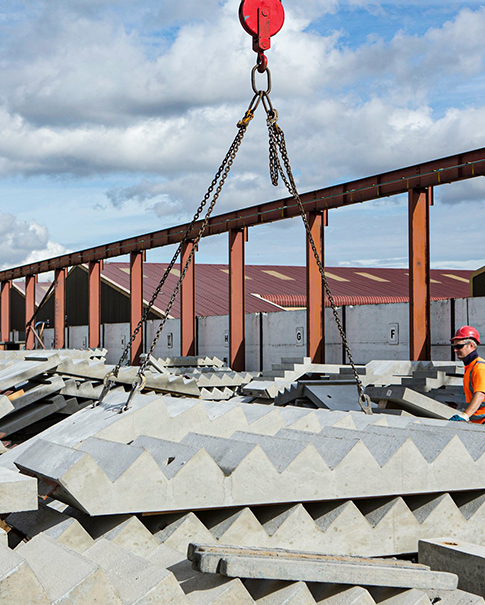

ในอุตสาหกรรมคอนกรีตสำเร็จรูป วิธีการยึดแบบหล่อเป็นปัจจัยสำคัญที่ส่งผลโดยตรงต่อประสิทธิภาพการผลิต ความแม่นยำของชิ้นส่วน และต้นทุนการดำเนินงาน ปัจจุบัน เทคโนโลยีหลักสองอย่างที่กำลังขับเคลื่อนการปฏิวัติประสิทธิภาพ ได้แก่ แม่เหล็กสำหรับยึดแบบหล่อ และการยึดด้วยสกรู/สลักเกลียวแบบดั้งเดิม บทความนี้จะเปรียบเทียบเชิงลึกและเชิงปฏิบัติระหว่างสองวิธีนี้
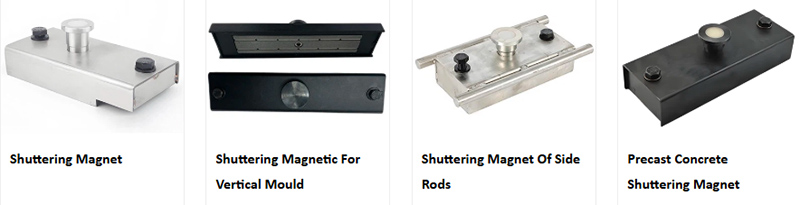
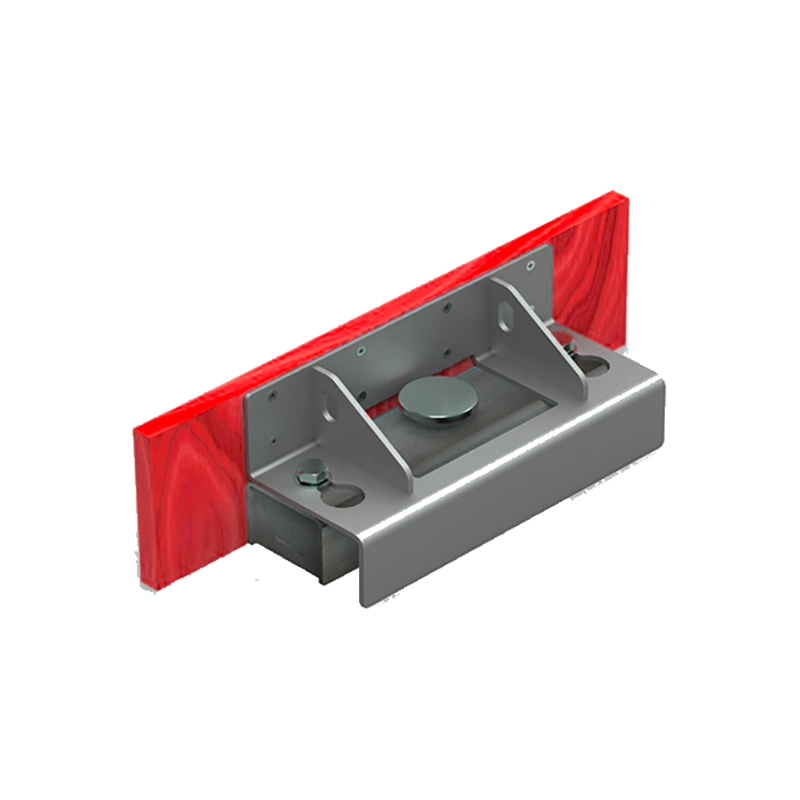
แม่เหล็กยึดแบบหล่อเป็นเครื่องมือยึดแบบรวดเร็วที่ออกแบบมาโดยเฉพาะสำหรับการผลิตคอนกรีตสำเร็จรูป นึกภาพว่าเป็น "แม่เหล็กทรงพลัง" ที่มีสวิตช์เปิด/ปิด อุปกรณ์ยึดด้วยแม่เหล็กนี้โดยทั่วไปประกอบด้วยแม่เหล็กถาวรนีโอไดเมียมเหล็กโบรอน (NdFeB) ที่หุ้มด้วยเปลือกเหล็ก หน้าที่หลักคือการยึดแบบหล่อเข้ากับฐานหรือโต๊ะเหล็กชั่วคราวก่อนที่จะเทคอนกรีต
ข้อได้เปรียบที่สำคัญ
เพิ่มประสิทธิภาพการติดตั้งได้ถึง 70%: แตกต่างจากการยึดด้วยสกรูแบบดั้งเดิม ซึ่งมักต้องใช้การเจาะ การเชื่อม หรือการขันน็อตด้วยมือ แม่เหล็กสำหรับบานประตูหน้าต่างนั้นง่ายต่อการวางลงบนโต๊ะเหล็กสำหรับแบบหล่อ เพียงแค่กดสวิตช์ก็จะสร้างแรงยึดทันทีตั้งแต่ 450 กิโลกรัมถึงมากกว่า 3100 กิโลกรัม พนักงานเพียงคนเดียวก็สามารถดำเนินการให้เสร็จสิ้นได้ในทันที โดยไม่จำเป็นต้องใช้เครื่องมือเสริมใดๆ
ไม่ทำให้ฐานเหล็กเสียหาย: การยึดด้วยสกรูจำเป็นต้องเจาะหรือเชื่อมบนโต๊ะแบบหล่อเหล็ก ซึ่งจะทำให้พื้นผิวโต๊ะเสื่อมสภาพลงเมื่อเวลาผ่านไป ส่งผลต่อความเรียบของชิ้นส่วนที่จะนำมาประกอบในอนาคต การดูดซับด้วยแม่เหล็กช่วยหลีกเลี่ยงความเสียหายทางกลได้อย่างสมบูรณ์ ช่วยยืดอายุการใช้งานของฐานเหล็กซึ่งเป็นสินทรัพย์ที่มีค่าได้อย่างมาก
เพิ่มความยืดหยุ่นในการผลิต: ระบบแม่เหล็กแบบเดียวกัน เมื่อใช้ร่วมกับอะแดปเตอร์ที่มีความสูงต่างกัน สามารถรองรับชิ้นส่วนที่มีคุณสมบัติแตกต่างกันบนฐานเหล็กเดียวกันได้ ซึ่งช่วยลดความจำเป็นในการสร้างแม่พิมพ์เฉพาะสำหรับผลิตภัณฑ์แต่ละแบบ นี่เป็นข้อได้เปรียบที่สำคัญสำหรับโรงงานผลิตชิ้นส่วนคอนกรีตสำเร็จรูปที่ผลิตสินค้าหลากหลายชนิดในปริมาณน้อย
ผลตอบแทนจากการลงทุน (ROI) ในระยะสั้น: ข้อมูลจากอุตสาหกรรมชี้ให้เห็นว่าระยะเวลาคืนทุนโดยเฉลี่ยสำหรับระบบแม่เหล็กปิดกั้นทางเข้าออกอยู่ที่ประมาณสามเดือน หากมีการบำรุงรักษาตามปกติ อายุการใช้งานอาจเกินสามปี
ข้อจำกัดในการใช้งาน:
ความไวต่ออุณหภูมิ: โดยทั่วไปแล้ว อุณหภูมิในการใช้งานควรต่ำกว่า 80°C (176°F) เนื่องจากความร้อนสูงเกินไปอาจทำให้แรงแม่เหล็กลดลงได้
ข้อกำหนดของพื้นผิว: พื้นเหล็กต้องสะอาดและเรียบ ช่องว่างระหว่างแม่เหล็กกับพื้นจะลดแรงยึดเกาะลงอย่างมาก ตัวอย่างเช่น ช่องว่างเพียง 0.09 มม. ก็สามารถทำให้แรงดึงดูดของแม่เหล็กอ่อนลงอย่างเห็นได้ชัด
ต้นทุนเริ่มต้น: ราคาซื้อแม่เหล็กเดี่ยวในครั้งแรกนั้นสูงกว่าสลักเกลียวแบบดั้งเดิม อย่างไรก็ตาม ข้อได้เปรียบในการใช้งานในระยะยาวนั้นมีมากมาย
การยึดด้วยสกรูเป็นหนึ่งในวิธีการดั้งเดิมสำหรับการยึดแบบหล่อในกระบวนการผลิตคอนกรีตสำเร็จรูป ก่อนที่จะมีการนำระบบแม่เหล็กมาใช้กันอย่างแพร่หลาย โรงงานหลายแห่งอาศัยสกรูหรือสลักเกลียวในการยึดแผ่นแบบหล่อเข้ากับโต๊ะหล่อเหล็กโดยตรง ตัวยึดเชิงกลเหล่านี้จะยึดแบบหล่อให้แน่น ป้องกันการเคลื่อนไหวใดๆ ในระหว่างการเทคอนกรีตและการสั่นสะเทือน
ข้อได้เปรียบที่สำคัญ
ความสามารถในการรับน้ำหนักสูงสุด: สำหรับชิ้นส่วนที่มีน้ำหนักมากเป็นพิเศษหรือสถานการณ์ที่มีแรงดันคอนกรีตด้านข้างสูงมาก การยึดติดเชิงกลที่มั่นคงของสกรูจะให้แรงยึดที่มั่นคงซึ่งไม่ได้รับผลกระทบจากอุณหภูมิ นี่คือจุดที่เทคโนโลยีแม่เหล็กในปัจจุบันยังไม่สามารถแข่งขันได้อย่างเต็มที่
ต้นทุนต่ำ: สลักเกลียวและน็อตมาตรฐานหาซื้อได้ง่ายและราคาไม่แพง การลงทุนเริ่มต้นต่ำกว่าระบบแม่เหล็กมาก ทำให้การยึดด้วยสกรูเป็นทางเลือกที่เหมาะสมสำหรับโรงงานผลิตชิ้นส่วนคอนกรีตสำเร็จรูปขนาดเล็กที่มีกำลังการผลิตหรือเงินทุนจำกัด
ทนทานต่อสภาพแวดล้อมสูง: สกรูไม่ได้รับผลกระทบจากเศษคอนกรีต น้ำมัน หรือการอบด้วยไอน้ำอุณหภูมิสูง การบำรุงรักษาก็ค่อนข้างง่าย
ข้อบกพร่องโดยกำเนิด
ต้นทุนแรงงานสูง: การยึดจุดเดียวด้วยสกรูอาจใช้เวลา 15-30 วินาที สำหรับแม่พิมพ์ที่ซับซ้อน เวลารวมอาจส่งผลเสียอย่างมากต่อกระบวนการผลิตทั้งหมด
ความเสียหายสะสมของแท่นขุดเจาะ: การเจาะและการเชื่อมซ้ำๆ ย่อมทำให้พื้นผิวของแท่นเหล็กไม่เรียบเสมอกัน เมื่อเวลาผ่านไป อาจทำให้ต้องซ่อมแซมครั้งใหญ่หรือเปลี่ยนแท่นใหม่ทั้งหมดซึ่งมีค่าใช้จ่ายสูง
การพึ่งพาแรงงานคนสูง: จำเป็นต้องใช้แรงงานที่มีทักษะในการใช้งานประแจวัดแรงบิดอย่างถูกต้องเพื่อให้มั่นใจได้ว่าการขันแน่นมีความสม่ำเสมอและเพียงพอ ซึ่งเพิ่มความซับซ้อนและโอกาสเกิดข้อผิดพลาดจากมนุษย์
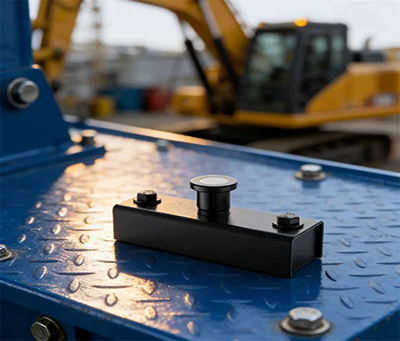
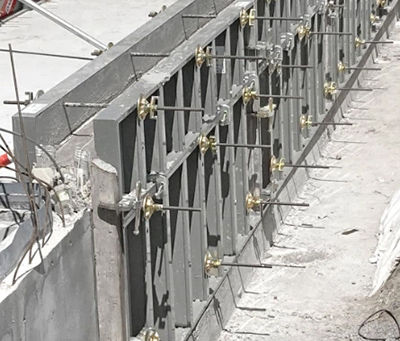
สถานการณ์ที่เหมาะสมกว่าสำหรับการใช้แม่เหล็กชัตเตอร์:
การผลิตแผ่นผนังสำเร็จรูปและแผ่นพื้นสำเร็จรูปมาตรฐานในปริมาณมาก
โรงงานที่มีฐานแบบหล่อเหล็กมูลค่าสูงซึ่งต้องการการปกป้องในระยะยาว
สายการผลิตที่มีความยืดหยุ่น ซึ่งข้อกำหนดของผลิตภัณฑ์เปลี่ยนแปลงบ่อยครั้ง ทำให้ต้องเปลี่ยนแม่พิมพ์อย่างรวดเร็ว
โรงงานผลิตชิ้นส่วนคอนกรีตสำเร็จรูปอัจฉริยะกำลังมุ่งเน้นการใช้ระบบอัตโนมัติและปรับปรุงกระบวนการทำงานให้มีประสิทธิภาพยิ่งขึ้น
สถานการณ์ที่การยึดด้วยสกรูยังคงเป็นทางเลือกที่ดีกว่า:
การใช้งานที่เกี่ยวข้องกับภาระหนักมาก เช่น ชิ้นส่วนสะพานที่มีน้ำหนักมากเป็นพิเศษ หรือชิ้นส่วนสำเร็จรูปสำหรับโรงไฟฟ้านิวเคลียร์
สภาวะการทำงานที่มีอุณหภูมิการอบแห้งด้วยไอน้ำสูงเกิน 100°C (212°F) อย่างต่อเนื่อง
โรงงานผลิตชิ้นส่วนคอนกรีตสำเร็จรูปเริ่มต้นธุรกิจใหม่ โดยมีงบประมาณจำกัดอย่างมาก
โดยสรุปแล้ว ในอุตสาหกรรมคอนกรีตสำเร็จรูป แม่เหล็กสำหรับแบบหล่อกำลังกลายเป็นตัวเลือกหลักสำหรับการใช้งานหลายประเภท คุณค่าหลักของมันไม่ได้อยู่ที่การเพิ่มประสิทธิภาพในจุดเดียวเท่านั้น แต่ยังอยู่ที่การปกป้องสินทรัพย์หลักอย่างฐานแบบหล่อเหล็ก และช่วยให้รูปแบบการผลิตมีความยืดหยุ่นมากขึ้น สำหรับโรงงานผลิตคอนกรีตสำเร็จรูปที่มีกำลังการผลิตต่อปีเกิน 50,000 ลูกบาศก์เมตร ผลตอบแทนจากการลงทุนในระบบแม่เหล็กมักจะเกิดขึ้นภายในสามถึงหกเดือน
อย่างไรก็ตาม การเลือกใช้เทคโนโลยีควรตอบสนองความต้องการในการผลิตจริงเสมอ แนวทางผสมผสานมักเป็นวิธีที่ดีที่สุด: ใช้ระบบแม่เหล็กเพื่อเพิ่มประสิทธิภาพสูงสุดสำหรับชิ้นส่วนมาตรฐาน ในขณะที่ยังคงใช้การยึดด้วยสกรูสำหรับงานหนักพิเศษเพื่อเป็นมาตรการป้องกันความผิดพลาด กลยุทธ์ "แม่เหล็กเป็นหลัก สกรูเป็นรอง" นี้ใช้ประโยชน์จากจุดแข็งของทั้งสองวิธีและกำลังกลายเป็นแนวทางปฏิบัติที่ดีที่สุดที่ได้รับการยอมรับในอุตสาหกรรม
Whatsapp : +86 -13559234186
อีเมล : sale@lscmagnetics.com
โทร : +86 -13559234186