-

ส่งอีเมลถึงเรา
sale@lscmagnetics.com -

เบอร์ติดต่อ
+86 -13559234186
ส่งอีเมลถึงเรา
sale@lscmagnetics.comเบอร์ติดต่อ
+86 -13559234186

ในอุตสาหกรรมการผลิต เทคโนโลยีแม่เหล็กมีอยู่ทุกหนทุกแห่ง ตั้งแต่การขนถ่ายวัสดุและการตัดเฉือนที่แม่นยำ ไปจนถึงการแยกด้วยแม่เหล็กและการจับยึดอัตโนมัติ แต่เมื่อถึงเวลาที่จะลงทุนในอุปกรณ์แม่เหล็กสำหรับโรงงานของคุณ คำถามหนึ่งที่มักเกิดขึ้นเสมอคือ เราควรเลือกใช้แม่เหล็กถาวรหรือแม่เหล็กไฟฟ้าดี?
เทคโนโลยีทั้งสองแบบสามารถสร้างสนามแม่เหล็กได้ แต่ความคล้ายคลึงกันก็จบลงเพียงแค่นั้น ทั้งสองแบบแตกต่างกันอย่างพื้นฐานในวิธีการทำงาน ค่าใช้จ่ายในการใช้งาน ความปลอดภัย และสภาพแวดล้อมที่เหมาะสมที่สุด การเลือกใช้เทคโนโลยีที่ผิดอาจทำให้ค่าไฟสูงขึ้น ปัญหาการบำรุงรักษาเพิ่มขึ้น และในกรณีที่เลวร้ายที่สุด อาจก่อให้เกิดอันตรายในเวลาที่ไม่เหมาะสม บทความนี้จะอธิบายความแตกต่างในโลกแห่งความเป็นจริงและให้กรอบการทำงานที่ตรงไปตรงมาสำหรับการตัดสินใจที่ถูกต้อง
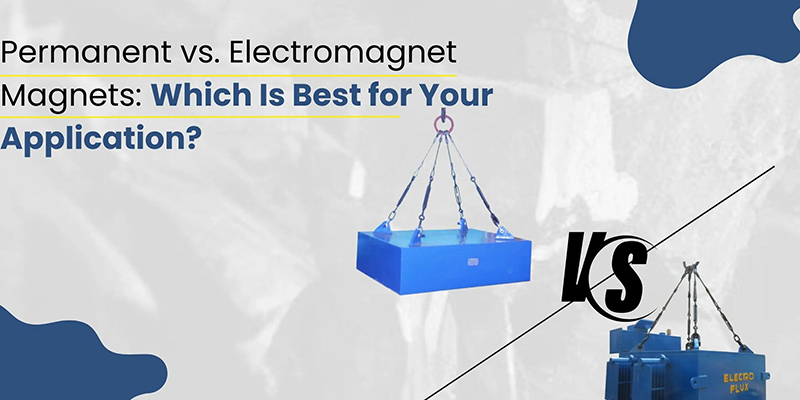
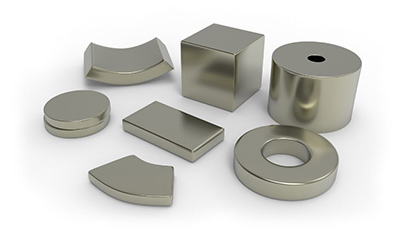
แม่เหล็กถาวร แม่เหล็กเหล่านี้อาศัยคุณสมบัติเฉพาะตัวของวัสดุ เช่น เฟอร์ไรต์ นีโอไดเมียมเหล็กโบรอน (NdFeB) ซาแมเรียมโคบอลต์ (SmCo) หรืออัลนิโก เมื่อถูกทำให้เป็นแม่เหล็กแล้ว แม่เหล็กเหล่านี้จะคงสภาพสนามแม่เหล็กไว้ได้โดยไม่ต้องใช้แหล่งพลังงานภายนอก
แม่เหล็กไฟฟ้าในทางกลับกัน แม่เหล็กไฟฟ้าสร้างสนามแม่เหล็กโดยการปล่อยกระแสไฟฟ้าผ่านขดลวดที่พันรอบแกนเหล็กอ่อน ความแรงของแรงแม่เหล็กแปรผันตรงกับกระแสไฟฟ้า และทันทีที่ตัดกระแสไฟฟ้า สนามแม่เหล็กก็จะหายไป
ความแตกต่างเพียงเล็กน้อยนี้ส่งผลต่อประสิทธิภาพการทำงานของพวกเขาในสภาพแวดล้อมทางอุตสาหกรรมในทุกด้าน
| มิติ | แม่เหล็กถาวร | แม่เหล็กไฟฟ้า |
| การใช้พลังงาน | ไม่กินไฟต่อเนื่อง—เมื่อทำให้เป็นแม่เหล็กแล้ว สามารถใช้งานได้ตลอดไป | ต้องใช้พลังงานอย่างต่อเนื่อง การใช้พลังงานจะแปรผันตามความแรงของสนามแม่เหล็ก |
| การควบคุมแรงแม่เหล็ก | ความแรงสนามคงที่ ไม่สามารถปรับเปลี่ยนได้ | สามารถปรับความแรงของสนามได้แบบเรียลไทม์ผ่านการควบคุมกระแสไฟฟ้า |
| การสลับขั้ว | เสาเหล่านี้ติดตั้งอยู่กับที่และไม่สามารถสลับตำแหน่งได้ | สามารถสลับขั้วได้โดยการกลับทิศทางกระแสไฟฟ้า |
| ความปลอดภัยเมื่อปิดเครื่อง | สนามยังคงทำงานอยู่ (โหมดป้องกันความล้มเหลว) | พื้นที่แสดงผลหายไปทันที (อันตรายถึงชีวิต) |
| การสร้างความร้อน | ไม่ก่อให้เกิดความร้อน เหมาะสำหรับสภาพแวดล้อมที่มีอุณหภูมิสูง | ขดลวดก่อให้เกิดความร้อนสูง จึงจำเป็นต้องมีระบบระบายความร้อน |
| การซ่อมบำรุง | โครงสร้างเรียบง่าย แทบไม่ต้องบำรุงรักษา | จำเป็นต้องมีการบำรุงรักษาคอยล์ แหล่งจ่ายไฟ ระบบระบายความร้อน และระบบสำรองอย่างต่อเนื่อง |
| ต้นทุนเริ่มต้น | ต่ำ (โดยเฉพาะสำหรับชนิดเฟอร์ไรต์) | ใช้พลังงานต่ำ แต่ต้องมีโครงสร้างพื้นฐานด้านแหล่งจ่ายไฟที่เข้ากันได้ |
| ต้นทุนการดำเนินงานระยะยาว | ต่ำมาก | ค่าใช้จ่ายสูง (ค่าไฟฟ้า + ค่าบำรุงรักษา + ระบบไฟฟ้าสำรอง) |
| ขนาดและน้ำหนัก | มีขนาดค่อนข้างกะทัดรัด—ไม่มีโครงสร้างแบบขดลวด | มีขนาดใหญ่กว่า—ต้องใช้พื้นที่สำหรับคอยล์และระบบทำความเย็น |
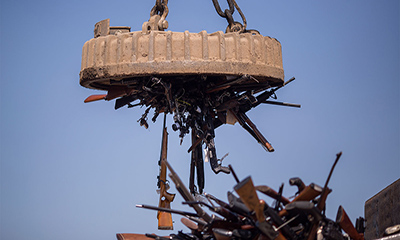
แม่เหล็กยกแบบแม่เหล็กไฟฟ้าถูกนำมาใช้กันอย่างแพร่หลายในการขนย้ายเศษเหล็กและแผ่นเหล็ก ข้อดีหลักคือสามารถปล่อยน้ำหนักได้ด้วยการกดปุ่มเพียงครั้งเดียว ทำให้ใช้งานได้ยืดหยุ่นมาก อย่างไรก็ตาม มีข้อเสียร้ายแรงคือ หากไฟฟ้าดับ น้ำหนักจะตกลงมาทันที นั่นหมายความว่าคุณจะต้องมีระบบสำรองไฟที่มีราคาแพงและระบบป้องกันไฟฟ้าดับที่เชื่อถือได้
เครื่องยกแม่เหล็กถาวรไม่จำเป็นต้องใช้ไฟฟ้าเลย มันอาศัยสวิตช์แบบแมนนวลหรือแบบกลไกในการเปิดและปิดสนามแม่เหล็ก มันจะไม่ปล่อยชิ้นงานลงมาในระหว่างที่ไฟฟ้าดับ แต่เนื่องจากแรงแม่เหล็กคงที่ จึงใช้งานได้ไม่ค่อยสะดวกนักเมื่อต้องยกแผ่นโลหะที่มีความหนาแตกต่างกัน
ความคิดเห็นของเรา: หากแหล่งจ่ายไฟของคุณเสถียรและคุณใช้งานวัสดุที่แตกต่างกันบ่อยๆ ควรเลือกใช้แม่เหล็กไฟฟ้า แต่หากความปลอดภัยเป็นสิ่งสำคัญที่สุดของคุณ หรือหากคุณทำงานในพื้นที่ที่มีกระแสไฟฟ้าไม่แน่นอน แม่เหล็กถาวรจะเป็นตัวเลือกที่ปลอดภัยกว่า
การใช้งานที่ 2: การแยกด้วยแม่เหล็กและการกำจัดเหล็ก
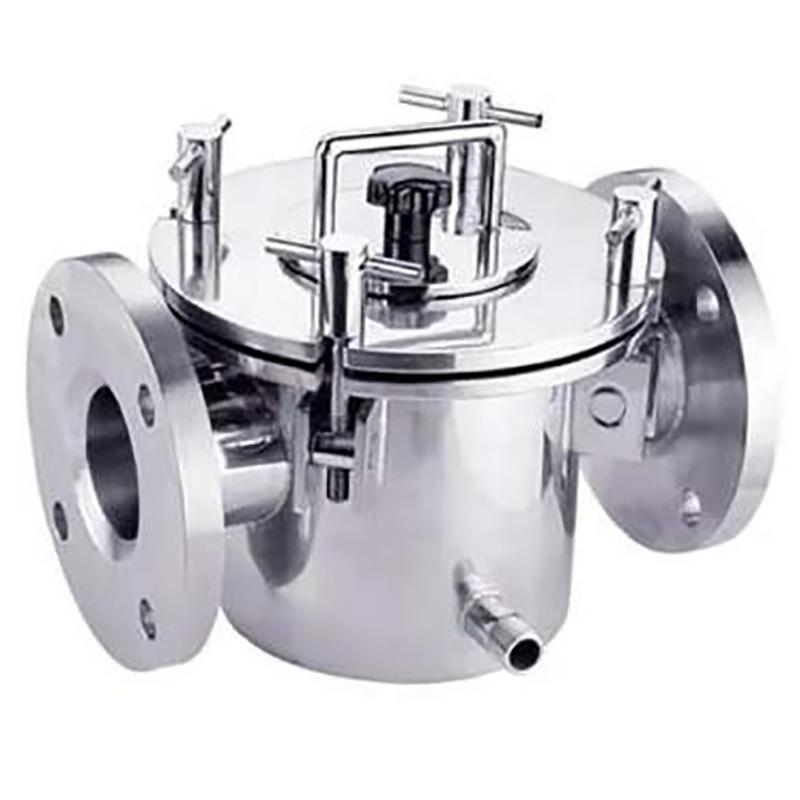
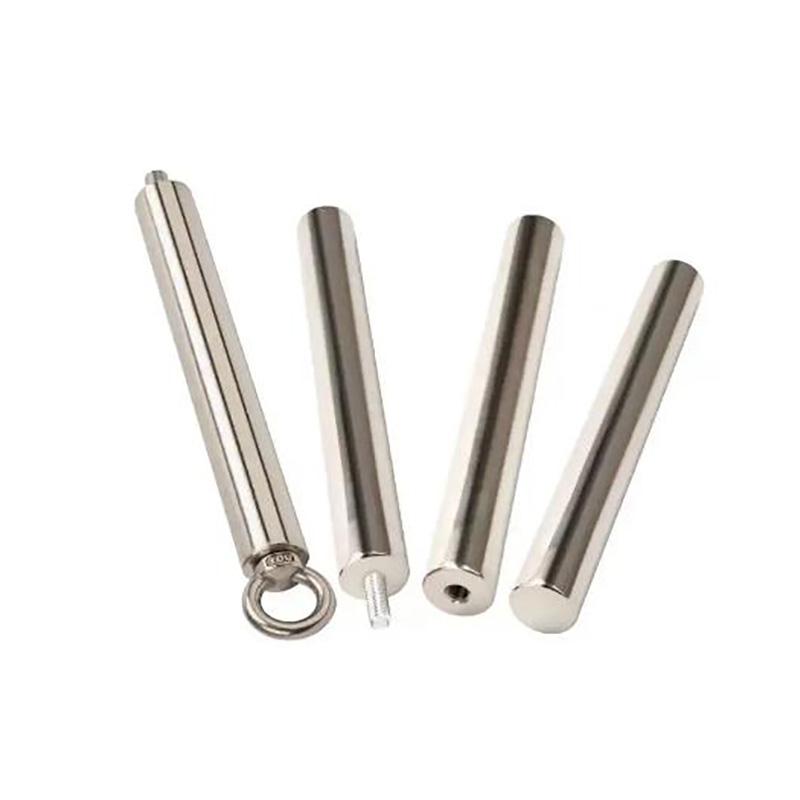
ในอุตสาหกรรมเหมืองแร่ ซีเมนต์ การแปรรูปอาหาร และเภสัชกรรม ทั้งเครื่องแยกแบบถาวรและแบบแม่เหล็กไฟฟ้าเป็นที่นิยมใช้กันทั่วไป
เครื่องแยกแม่เหล็กถาวรเหมาะอย่างยิ่งสำหรับสายการผลิตที่มีปริมาณการผลิตคงที่และระดับสิ่งเจือปนที่คาดการณ์ได้ สามารถทำงานได้ตลอด 24 ชั่วโมง 7 วันต่อสัปดาห์โดยไม่เสียค่าใช้จ่ายด้านไฟฟ้า ต้องการการบำรุงรักษาน้อยมาก และโดยพื้นฐานแล้วคือ "ติดตั้งแล้วใช้งานได้เลย"
เครื่องแยกด้วยสนามแม่เหล็กไฟฟ้าเหมาะสำหรับสายการผลิตที่มีความผันผวนของปริมาณการผลิตหรือความหนาของชั้นวัสดุค่อนข้างมาก โดยการปรับกระแสไฟฟ้า คุณสามารถปรับความแรงของสนามแม่เหล็กได้อย่างละเอียดเพื่อให้แน่ใจว่าสามารถดักจับสิ่งสกปรกที่อยู่ลึกได้ การตัดกระแสไฟฟ้าอัตโนมัติยังช่วยให้การทำความสะอาดง่ายขึ้นอีกด้วย
ความคิดเห็นของเรา: สำหรับการใช้งานที่เสถียรและต่อเนื่อง ควรเลือกใช้ตัวแยกแบบถาวร แต่สำหรับงานที่มีภาระแปรผันและความต้องการกำจัดเหล็กอย่างล้ำลึก ตัวแยกแบบแม่เหล็กไฟฟ้าจะให้ความยืดหยุ่นที่คุณต้องการ
การประยุกต์ใช้งานที่ 3: การจับยึดชิ้นงานด้วยเครื่องมือกลและการกลึงละเอียด
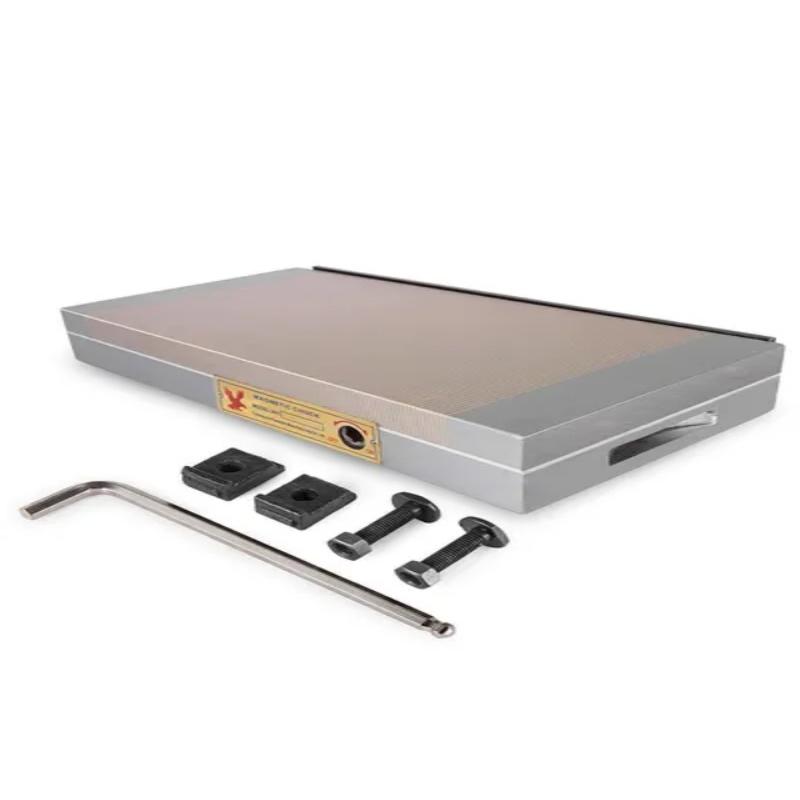
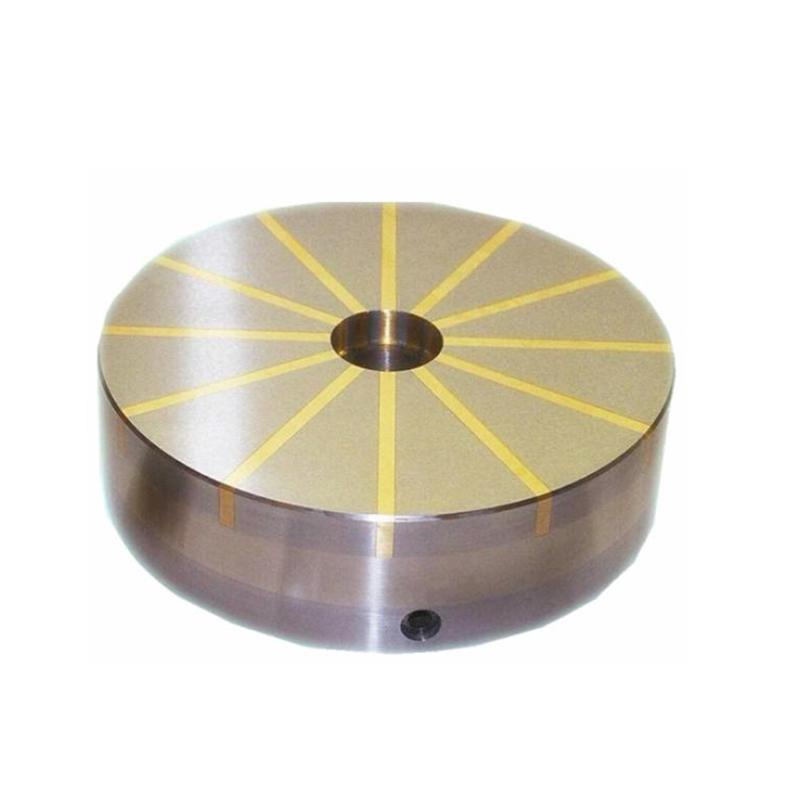
ในเครื่องจักรกลซีเอ็นซี หัวจับแม่เหล็กจะยึดชิ้นงานไว้กับที่ ซึ่งความเสถียรทางความร้อนและการรักษาความแม่นยำนั้นมีความสำคัญอย่างยิ่ง
หัวจับแม่เหล็กไฟฟ้าจะสร้างความร้อนจากการจ่ายพลังงานอย่างต่อเนื่อง ซึ่งอาจทำให้ชิ้นงานขยายตัวเนื่องจากความร้อนและลดความแม่นยำในการตัดเฉือนลง จึงมักต้องใช้ระบบระบายความร้อนภายนอก
หัวจับแม่เหล็กถาวรไม่ก่อให้เกิดความร้อน แต่แรงแม่เหล็กของมันคงที่ นั่นหมายความว่ามันอาจจับยึดชิ้นงานที่มีผนังบางหรือรูปทรงไม่สม่ำเสมอแน่นเกินไปหรือหลวมเกินไปได้
ความคิดเห็นของเรา: สำหรับงานกลึงที่ต้องการความแม่นยำสูง หัวจับแม่เหล็กถาวรมักจะเป็นตัวเลือกที่ดีกว่า (ไม่มีการบิดเบี้ยวจากความร้อน) แต่ถ้าคุณเปลี่ยนไปใช้ชิ้นงานที่มีวัสดุหรือความหนาต่างกันบ่อยๆ ความสามารถในการปรับแต่งของหัวจับแม่เหล็กไฟฟ้าถือเป็นข้อได้เปรียบที่ชัดเจน
แอปพลิเคชันที่ 4: มอเตอร์และระบบขับเคลื่อน
มอเตอร์ซิงโครนัสแม่เหล็กถาวร (PMSM) กำลังได้รับความนิยมมากขึ้นเรื่อยๆ สำหรับรถยนต์ไฟฟ้าและเครื่องมือกล CNC ระดับไฮเอนด์ สนามแม่เหล็กคงที่จากแม่เหล็ก NdFeB ให้ประสิทธิภาพสูงกว่า ความหนาแน่นของกำลังดีกว่า และการออกแบบที่กะทัดรัดกว่า
มอเตอร์เหนี่ยวนำแบบดั้งเดิม (แม่เหล็กไฟฟ้า) นั้นสร้างง่ายกว่าและราคาถูกกว่า แต่มีประสิทธิภาพต่ำกว่าและมีการสูญเสียพลังงานในโรเตอร์สูงกว่า
ความคิดเห็นของเรา: เลือกมอเตอร์แม่เหล็กถาวรเมื่อประสิทธิภาพการใช้พลังงานและขนาดกะทัดรัดเป็นสิ่งสำคัญที่สุด เลือกมอเตอร์แม่เหล็กไฟฟ้าแบบดั้งเดิมเมื่องบประมาณจำกัดและเงื่อนไขการใช้งานไม่ซับซ้อน
หากคุณลังเลระหว่างแม่เหล็กถาวรและแม่เหล็กแม่เหล็กไฟฟ้า ลองพิจารณาแม่เหล็กถาวรไฟฟ้า (EPM) ซึ่งเป็นลูกผสมที่รวมข้อดีของทั้งสองแบบเข้าด้วยกัน
EPM ประกอบด้วยวัสดุแม่เหล็กถาวรและแกนแม่เหล็กที่สามารถสลับสถานะได้ เพียงแค่การกระตุ้นด้วยกระแสไฟฟ้าสั้นๆ เพียงครั้งเดียว (0.2–2 วินาที) ก็เพียงพอที่จะสลับระหว่างสถานะแม่เหล็กและสถานะไร้แม่เหล็ก หลังจากนั้นก็ไม่จำเป็นต้องใช้พลังงานเพิ่มเติมอีก
| คุณสมบัติ | แม่เหล็กไฟฟ้าถาวร |
| การใช้พลังงาน | พลังงานจะถูกใช้เฉพาะในช่วงการสลับเท่านั้น ซึ่งมีประสิทธิภาพมากกว่าแม่เหล็กไฟฟ้าถึง 95% |
| ความปลอดภัยเมื่อปิดเครื่อง | รักษาแรงแม่เหล็กไว้ได้แม้หลังไฟดับ—ระบบป้องกันความล้มเหลว |
| การสร้างความร้อน | ไม่เกิดความร้อนขณะใช้งาน—ไม่จำเป็นต้องใช้ระบบระบายความร้อน |
| การปรับแต่ง | แรงแม่เหล็กไม่สามารถปรับได้แบบเรียลไทม์ แต่สามารถตั้งค่าระดับแรงแม่เหล็กไว้ล่วงหน้าได้ |
| การซ่อมบำรุง | แทบไม่ต้องบำรุงรักษา ไม่มีปัญหาเรื่องขดลวดเสื่อมสภาพ |
| ค่าใช้จ่าย | ต้นทุนเริ่มต้นสูงกว่า แต่ต้นทุนรวมในการเป็นเจ้าของในระยะยาวต่ำที่สุด |
การใช้งานทั่วไป: สลิงยก EPM, เครนแม่เหล็กเคลื่อนที่แบบใช้แบตเตอรี่, หัวจับ EPM สำหรับเครื่อง CNC, ตัวจับยึดแม่เหล็กปลายแขนหุ่นยนต์ และระบบเปลี่ยนเร็วสำหรับการฉีดขึ้นรูป
ความคิดเห็นของเรา: สำหรับการใช้งานที่สำคัญซึ่งต้องการความปลอดภัยสูง การใช้งานบ่อยครั้ง และความไวต่อพลังงาน แม่เหล็กถาวรไฟฟ้าเป็นการลงทุนที่ชาญฉลาดและคุ้มค่าในอนาคต
แม่เหล็กถาวรนั้นไม่ได้ถาวรอย่างแท้จริง มันอาจเกิดการเสื่อมสภาพของอำนาจแม่เหล็กอย่างถาวรได้หากอุณหภูมิในการใช้งานสูงเกินอุณหภูมิคิวรีของวัสดุ โดยทั่วไปแล้วแม่เหล็ก NdFeB มาตรฐานไม่ควรใช้ที่อุณหภูมิสูงกว่า 80°C ในขณะที่แม่เหล็กซามาเรียมโคบอลต์ (SmCo) สามารถทนอุณหภูมิได้ถึงประมาณ 300°C
แนวทางแก้ไข: สำหรับสภาพแวดล้อมที่มีอุณหภูมิสูง ควรระบุวัสดุ SmCo หรือ NdFeB เกรดทนความร้อนสูงเสมอ
2. แม่เหล็กไฟฟ้าขัดข้องเมื่อไฟฟ้าดับ
แม่เหล็กไฟฟ้าจะสูญเสียแรงยึดเกาะทันทีที่กระแสไฟฟ้าถูกตัด ซึ่งเป็นความเสียหายร้ายแรงที่อาจเกิดขึ้นได้ในการใช้งานยกหรือหนีบสิ่งของ
แนวทางแก้ไข: คุณต้องติดตั้งระบบสำรองไฟ UPS หรืออุปกรณ์ล็อคอัตโนมัติแบบกลไก และทดสอบความน่าเชื่อถือของระบบสำรองไฟของคุณเป็นประจำ
3. ความผันผวนของราคาแร่หายาก
แม่เหล็กถาวรประสิทธิภาพสูง (NdFeB, SmCo) อาศัยธาตุหายาก ทำให้ราคาของแม่เหล็กเหล่านี้อ่อนไหวต่อความผันผวนของห่วงโซ่อุปทาน
แนวทางการบรรเทาผลกระทบ: ทำสัญญาซื้อขายระยะยาวเพื่อกำหนดราคาเมื่อซื้อสินค้าจำนวนมาก และพิจารณาทางเลือกอื่นที่ใช้พลังงานแม่เหล็กไฟฟ้าไว้เป็นแผนสำรอง
การถกเถียงเรื่องแม่เหล็กถาวรกับแม่เหล็กไฟฟ้าไม่ได้อยู่ที่ว่าเทคโนโลยีใดจะเข้ามาแทนที่อีกเทคโนโลยีหนึ่งในที่สุด แต่เป็นการเลือกใช้โซลูชันที่เหมาะสมกับสถานการณ์ทางอุตสาหกรรมที่เหมาะสมต่างหาก
หากกระบวนการผลิตของคุณดำเนินไปอย่างต่อเนื่อง สภาพแวดล้อมคงที่ และคุณให้ความสำคัญกับประสิทธิภาพการใช้พลังงาน แม่เหล็กถาวรคือตัวเลือกที่ประหยัดและคุ้มค่าที่สุดสำหรับคุณ
หากกระบวนการของคุณมีการเปลี่ยนแปลงบ่อย ต้องการการควบคุมที่แม่นยำ และเกี่ยวข้องกับการเริ่มต้นและหยุดการทำงานบ่อยครั้ง แม่เหล็กไฟฟ้าจะให้ความยืดหยุ่นที่คุณต้องการ
หากความปลอดภัยเป็นสิ่งสำคัญที่สุด ต้นทุนด้านพลังงานเป็นเรื่องสำคัญ และคุณกำลังพิจารณาต้นทุนรวมในการเป็นเจ้าของในระยะยาว แม่เหล็กไฟฟ้าถาวรคือทิศทางที่อุตสาหกรรมกำลังมุ่งไป
ท้ายที่สุดแล้ว การเลือกที่ถูกต้องนั้นขึ้นอยู่กับความเป็นจริงของโรงงานของคุณ: คุณกำลังจัดการกับวัสดุประเภทใด? แหล่งจ่ายไฟของคุณเชื่อถือได้แค่ไหน? คุณยอมรับความปลอดภัยได้มากแค่ไหน? ทีมซ่อมบำรุงของคุณสามารถให้การสนับสนุนได้มากแค่ไหน? ตอบคำถามเหล่านี้ให้ชัดเจน แล้วคำตอบที่ถูกต้องจะตามมาเอง
รายการตรวจสอบการเลือกอย่างรวดเร็ว
□ แอปพลิเคชันของฉันต้องการการปรับแรงแม่เหล็กแบบเรียลไทม์หรือไม่?
□ การสูญเสียสนามแม่เหล็กเนื่องจากไฟฟ้าดับจะก่อให้เกิดอันตรายต่อความปลอดภัยหรือไม่?
□ อุปกรณ์จำเป็นต้องทำงานต่อเนื่องตลอด 24 ชั่วโมงหรือไม่?
□ สถานที่นั้นมีไฟฟ้าที่เสถียรและระบบระบายความร้อนที่เพียงพอหรือไม่?
□ ฉันกังวลเรื่องเงินลงทุนเริ่มต้นหรือค่าใช้จ่ายในการดำเนินงานระยะยาวมากกว่ากัน?
□ สภาพแวดล้อมการทำงานจะมีอุณหภูมิเกิน 80 องศาเซลเซียสได้หรือไม่?
เมื่อคุณได้พิจารณาคำถามเหล่านี้แล้ว โรงงานของคุณก็จะสามารถค้นหาพันธมิตรที่เหมาะสมได้อย่างลงตัว
Whatsapp : +86 -13559234186
อีเมล : sale@lscmagnetics.com
โทร : +86 -13559234186