-

ส่งอีเมลถึงเรา
sale@lscmagnetics.com -

เบอร์ติดต่อ
+86 -13559234186
ส่งอีเมลถึงเรา
sale@lscmagnetics.comเบอร์ติดต่อ
+86 -13559234186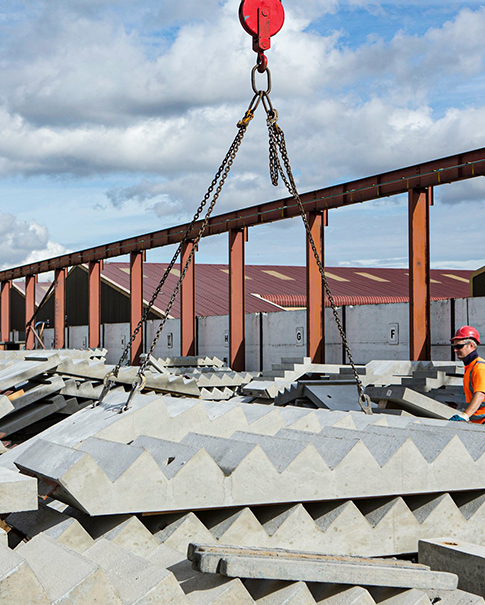

ในโครงการก่อสร้างขนาดใหญ่ ไม่ว่าจะเป็นสะพานข้ามทะเล ทางรถไฟความเร็วสูง หรือโรงไฟฟ้านิวเคลียร์ การใช้ทรัพยากรอย่างมีประสิทธิภาพเป็นสิ่งสำคัญ การผูกเหล็กเสริม โครงสร้างเหล็กกำลังพัฒนาจากงานที่ต้องใช้แรงงานคนไปสู่บทบาทสำคัญทางเทคนิคที่กำหนดตารางเวลา คุณภาพ ต้นทุน และแม้กระทั่งความปลอดภัย และการเปลี่ยนแปลงนี้ไม่ได้เกิดขึ้นเฉพาะในประเทศจีนเท่านั้น จากสถานที่ก่อสร้างสะพานในสหรัฐอเมริกาไปจนถึงโรงงานผลิตชิ้นส่วนสำเร็จรูปในญี่ปุ่น ผู้สร้างทั่วโลกกำลังมองหาวิธีที่ชาญฉลาดกว่าในการ "ถักทอ" โครงสร้างเหล็ก
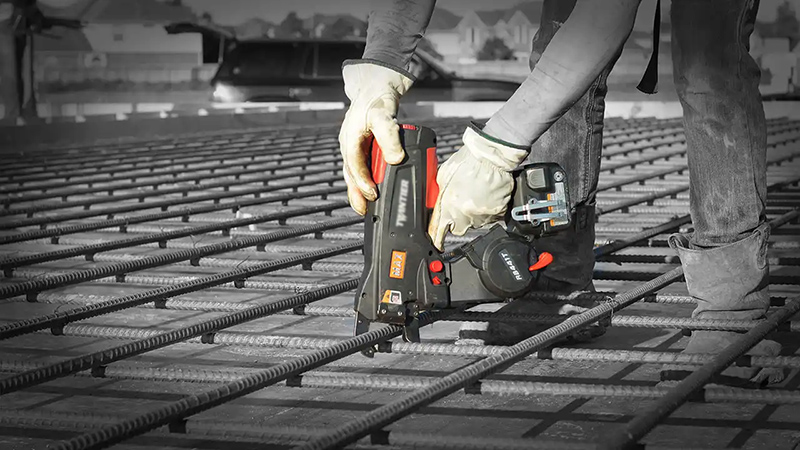
ในสถานที่ก่อสร้างขนาดใหญ่ การผูกเหล็กเสริมมักไม่ค่อยได้รับความสนใจมากนัก มันขาดความโดดเด่นของเครน ความซับซ้อนทางดิจิทัลของ BIM หรือความรู้สึกถึงการเสร็จสิ้นอย่างเป็นทางการของการเทคอนกรีต แต่แท้จริงแล้วมันคือขั้นตอนสุดท้ายที่สำคัญที่สุดก่อนการเทคอนกรีต และมันส่งผลโดยตรงต่อชะตากรรมของโครงการทั้งหมด
ประสิทธิภาพในการผูกท่อเป็นตัวกำหนดว่าสามารถเทคอนกรีตได้ตรงตามกำหนดเวลาหรือไม่ ความเร็วในการเทคอนกรีตเป็นตัวกำหนดระยะเวลาในการหมุนเวียนแบบหล่อ และระยะเวลาในการหมุนเวียนแบบหล่อก็เป็นตัวกำหนดจังหวะการดำเนินงานของพื้นคอนกรีต ในโครงการขนาดใหญ่ที่มักมีการลงทุนหลายพันล้านดอลลาร์ และความล่าช้าคิดเป็นมูลค่าหลายล้านดอลลาร์ต่อวัน ความล่าช้าใดๆ ในห่วงโซ่นี้อาจส่งผลให้สูญเสียค่าใช้จ่ายไปหลายล้านดอลลาร์
ลองพิจารณาโครงการ I-30 Crossing ในรัฐอาร์คันซอ ซึ่งเป็นทางหลวงแบบออกแบบและก่อสร้างมูลค่า 632 ล้านดอลลาร์สหรัฐฯ ซึ่งเป็นโครงการแรกในลักษณะนี้ของรัฐ บนสะพานที่ทอดข้ามแม่น้ำอาร์คันซอแห่งนี้ หุ่นยนต์ผูกเหล็กเสริม TyBOT ไม่เพียงแต่ทำการผูกเหล็กเสริมได้ถึง 165,779 จุดเท่านั้น แต่ยังช่วยลดเวลาในการผูกเหล็กเสริมลงได้ถึง 30% ช่วยให้โครงการดำเนินไปได้เร็วกว่ากำหนดอย่างต่อเนื่อง
ในประเทศจีน ณ นิคมอุตสาหกรรมและการค้าระหว่างประเทศจี่หนาน เทคโนโลยีการก่อสร้างอัจฉริยะได้สร้างสถิติใหม่: การผูกเหล็กเสริมเสร็จภายใน 6 ชั่วโมง การผูกคานและพื้นคอนกรีตเสร็จภายใน 36 ชั่วโมง และการสร้างอาคารทั้งชั้นเสร็จภายใน 4 วัน เบื้องหลังตัวเลขเหล่านี้คือการเปลี่ยนแปลงเชิงคุณภาพ—การผูกเหล็กเสริมได้เปลี่ยนจากสาเหตุของความล่าช้าไปเป็นตัวเร่งให้งานเสร็จเร็วขึ้น
ความสำคัญที่เพิ่มขึ้นของการผูกเหล็กเสริมอย่างมีประสิทธิภาพนั้นมีรากฐานมาจากความท้าทายร่วมกันประการหนึ่ง นั่นคือ การขาดแคลนแรงงานอย่างรุนแรงในอุตสาหกรรมการก่อสร้างทั่วโลก
สหรัฐอเมริกา: หุ่นยนต์เข้ามาเติมเต็มช่องว่างด้านทักษะ
ในสหรัฐอเมริกา อุตสาหกรรมการก่อสร้างกำลังเผชิญกับปัญหาการขาดแคลนแรงงานฝีมืออย่างต่อเนื่อง สตีเฟน มัก ผู้ก่อตั้งบริษัท Advanced Construction Robotics (ACR) ในเมืองพิตต์สเบิร์ก คาดการณ์วิกฤตนี้ไว้ก่อนเกิดโรคระบาด โดยอธิบายว่าการผูกเหล็กเส้นเป็น "งานที่อันตราย สกปรก และซ้ำซากอย่างยิ่ง"
นับตั้งแต่เริ่มใช้งานครั้งแรกในปี 2018 หุ่นยนต์ TyBOT ของ ACR ได้ทำการเชื่อมต่อสายไฟไปแล้วกว่า 4.2 ล้านจุด ในโครงการมากกว่า 60 โครงการ ใน 14 รัฐของสหรัฐอเมริกา ความเร็วในการเชื่อมต่อของหุ่นยนต์นี้สูงกว่า 1,100 จุดต่อชั่วโมงอย่างสม่ำเสมอ โดยมีสถิติสูงสุดในกะเดียวที่ 17,155 จุด
| ตัวอย่างโครงการ TyBOT ในสหรัฐอเมริกา | คะแนนเสมอกัน | พื้นที่ / ความยาว | ผลกระทบต่อตารางเวลา |
| สะพานคอสเวย์ของนาซา (ฟลอริดา) | 139,261 | 171,733 ตารางฟุต | 50% ของระดับบน/ล่างเสร็จสมบูรณ์แล้ว |
| จุดตัดทางหลวงหมายเลข I-30 (รัฐอาร์คันซอ) | 165,779 | สะพานยาว 1,500 ฟุต | ประหยัดเวลาได้ 30% |
| สะพานข้ามช่องเขา I-40 (รัฐนอร์ทแคโรไลนา) | 58,215 | 25,154 ตารางฟุต | การใช้งานครั้งแรกในรัฐนี้ |
| ทางหลวงหมายเลข SH 302 (รัฐเท็กซัส) | 101,564 | 69,200 ตารางฟุต | การใช้งานครั้งแรกในรัฐนี้ |
| สะพานคอปเปล (รัฐเพนซิลเวเนีย) | ขนาดใหญ่ | ยาว 1,240 ฟุต | สร้างเสร็จในปี 2019 |
ในโครงการ SCS Railways ในลอนดอน TyBOT ได้แสดงให้เห็นถึงความสามารถในการปรับตัวในสถานที่ก่อสร้างได้อย่างน่าประทับใจ โดยสามารถใช้งานได้ภายในสองชั่วโมงหลังจากมาถึงสถานที่ก่อสร้าง และสามารถผูกเหล็กเสริมเข้าด้วยกันได้โดยอัตโนมัติด้วยความแม่นยำ 99% ความสามารถแบบ "เสียบปลั๊กแล้วใช้งานได้ทันที" นี้มีความสำคัญอย่างยิ่งสำหรับโครงการก่อสร้างทางรถไฟขนาดใหญ่ที่มีกำหนดเวลาที่จำกัด
จีน: จาก "ยุทธวิธีคลื่นมนุษย์" สู่ "การผลิตอัจฉริยะ"
จีนกำลังเผชิญกับความท้าทายด้านแรงงานที่รุนแรงเช่นเดียวกัน เนื่องจากคนรุ่นใหม่หลีกเลี่ยงการทำงานในสถานที่ก่อสร้างมากขึ้นเรื่อย ๆ และแรงงานสูงวัยก็เพิ่มมากขึ้น ทำให้ช่างฝีมือที่มีทักษะในการตอกเหล็กเส้นหายากขึ้น เพื่อตอบสนองต่อสถานการณ์นี้ นวัตกรรมภายในประเทศจึงเร่งตัวขึ้นอย่างรวดเร็ว
ศูนย์วิจัยหุ่นยนต์ก่อสร้างแห่งฮ่องกง (HKCRC) ได้พัฒนาหุ่นยนต์ผูกเหล็กเสริมคอนกรีต RBTS1 ซึ่งสามารถผูกเหล็กเสริมได้เสร็จภายใน 5 วินาที ด้วยอัตราความแม่นยำ 99.6% ทำให้ได้รับรางวัลเหรียญทองและคำชมเชยพิเศษจากคณะกรรมการตัดสิน ซึ่งเป็นรางวัลสูงสุดในงานนิทรรศการสิ่งประดิษฐ์นานาชาติเจนีวา คุณสมบัติเด่นของหุ่นยนต์นี้ ได้แก่ ขนาดกะทัดรัด (สามารถใส่ในท้ายรถได้) และความสามารถในการจดจำสภาพแวดล้อมการทำงานได้เองโดยอัตโนมัติ โดยไม่ต้องตั้งโปรแกรมล่วงหน้าหรือใช้ข้อมูล BIM
บนแผ่นดินใหญ่ หุ่นยนต์ผูกเหล็กเส้นได้เปลี่ยนจากการสาธิตไปสู่การใช้งานในปริมาณมากแล้ว:
| โครงการภายในประเทศ | หุ่นยนต์รุ่น | ประสิทธิภาพ | ปีที่ประจำการ |
| นิคมอุตสาหกรรมการค้านานาชาติจี่หนาน | ชุดการก่อสร้างอัจฉริยะ | การผูกเชือกใช้เวลา 6 ชั่วโมง; 4 วันต่อชั้น | 2025 |
| ศูนย์กีฬาโอลิมปิกจี่หนาน แปลงที่ 12 | สำนักงานก่อสร้างจีนที่ 8 RBBD-Bot1.0 | รองรับเหล็กเส้นเสริมแรงขนาดเส้นผ่านศูนย์กลาง 8–20 มม. | 2022 |
| ชุมชนเซี่ยงไฮ้ เจียติง นิวทาวน์ จูหยวน | หุ่นยนต์ผูกเชือกอัจฉริยะ | เพิ่มประสิทธิภาพการทำงานด้วยมือได้สูงสุดถึง 3 เท่า | 2023 |
| โรงพยาบาลหวู่ฮั่นยูเนียน (ฉงชิง) | หุ่นยนต์ผูกเชือก | ลดจำนวนพนักงานลง 30% เพิ่มความเร็วในการทำงาน 10% | 2023 |
| ศูนย์กลางการคมนาคมแบบบูรณาการซีหลี่ (เซินเจิ้น) | หุ่นยนต์ "บีเวอร์" | 500 โหนด/ชั่วโมง; การทำงานต่อเนื่อง 8 ชั่วโมง | 2025 |
| โครงการแรกของ CECEP เซี่ยงไฮ้ | หุ่นยนต์ผูกเชือก | 8–9 วินาที/โหนด; ศักยภาพ 24 ชั่วโมง | 2023 |
| โครงการสถานีรถไฟเซินเจิ้น-ซานโถว | หุ่นยนต์ผูกเชือก | ประสิทธิภาพการทำงานด้วยมือเพิ่มขึ้น 1.4 เท่า | มกราคม 2569 |
| สวนสำนักงานใหญ่เศรษฐกิจดิจิทัลจงกวนชุน | หุ่นยนต์ผูกเชือก | 500 โหนด/ชั่วโมง | กุมภาพันธ์ 2569 |
ในการก่อสร้างขนาดใหญ่ คุณภาพของการผูกเหล็กเสริมมีผลโดยตรงต่อความปลอดภัยของโครงสร้าง การผูกเหล็กเสริมด้วยมือแบบดั้งเดิมนั้นมีปัญหาสำคัญสามประการ:
ช่องว่างด้านทักษะกว้างมาก — ผลผลิตอาจแตกต่างกันได้ถึง 50% ในหมู่คนงานที่ทำงานในสถานที่เดียวกัน
คุณภาพไม่สม่ำเสมอ — ประสิทธิภาพการทำงานด้วยมือจะผันผวนไปตามความเหนื่อยล้า สภาพอากาศ และประสบการณ์ ทำให้การรักษาระดับผลผลิตสูงไว้ได้นั้นเป็นเรื่องยาก
อัตราการบาดเจ็บสูง — ร้อยละ 40 ของการบาดเจ็บในที่ทำงานที่เกี่ยวข้องกับความล่าช้า เกิดจากรอยฟกช้ำและข้อเคล็ด โดยคนงานที่เกี่ยวข้องกับเหล็กเส้นได้รับผลกระทบมากกว่ากลุ่มอื่น ๆ
การผูกเชือกด้วยหุ่นยนต์ช่วยแก้ปัญหาเหล่านี้ได้อย่างตรงจุด
ในโครงการเปลี่ยนสะพาน NASA Causeway ในรัฐฟลอริดา TyBOT ไม่เพียงแต่ดำเนินการติดตั้งจุดยึด 139,261 จุดเท่านั้น แต่ยังลดปริมาณของเสียจากลวดยึดได้อย่างมาก ซึ่งช่วยประหยัดเวลาในการทำความสะอาดของทีมงานได้หนึ่งถึงสองวัน ซึ่งหากไม่มีการดำเนินการดังกล่าวจะต้องใช้เวลาทำความสะอาดจำนวนมาก
ในประเทศจีน หุ่นยนต์ผูกเหล็กเส้นใช้ประโยชน์จากการระบุและกำหนดตำแหน่งอัตโนมัติ การหลีกเลี่ยงสิ่งกีดขวางอัตโนมัติ และการวางแผนเส้นทางอัจฉริยะ เพื่อให้ได้อัตราผลผลิตสูงกว่า 95% โดยมีอัตราความสำเร็จในการผูกสูงถึง 99.6% สำหรับโครงการที่มีความสำคัญสูง เช่น โรงพยาบาล ศูนย์กลางการคมนาคม และอาคารสูงในพื้นที่ที่มีประชากรหนาแน่น ระดับความสม่ำเสมอเช่นนี้เป็นไปไม่ได้เลยหากใช้แรงงานคนเพียงอย่างเดียว
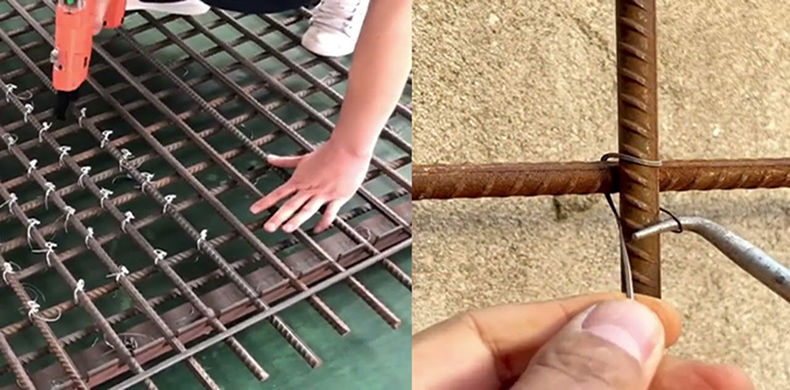
ในโครงการขนาดใหญ่ เหตุผลทางเศรษฐกิจมักขึ้นอยู่กับการประหยัดต้นทุนในเส้นทางวิกฤตเป็นหลัก
ลองพิจารณาสะพานคอปเปลในรัฐเพนซิลเวเนีย ซึ่งเป็นโครงสร้างสี่ช่วงมูลค่า 27 ล้านดอลลาร์สหรัฐฯ ที่มีความยาว 1,240 ฟุต และกว้าง 43 ฟุต หลังจากที่ TyBOT เสร็จสิ้นงานเชื่อมต่อขนาดใหญ่ในเดือนเมษายน 2019 สะพานก็เปิดให้สัญจรได้ในเดือนตุลาคมปีเดียวกัน
ที่จุดตัดทางหลวงหมายเลข I-30 ในรัฐอาร์คันซอ การประหยัดเวลาถึง 30% ของ TyBOT ส่งผลโดยตรงต่อความได้เปรียบในการแข่งขันของบริษัทรับเหมา DT Read Steel ผู้จัดการระดับภูมิภาค Erick Bowman กล่าวว่า "เรากำลังฝึกอบรมสมาชิกในทีมเพิ่มขึ้นเพื่อเป็นผู้ควบคุมหุ่นยนต์ ผมเรียกพวกเขาว่า 'หน่วยปฏิบัติการหุ่นยนต์เหล็กเส้น'"
ในประเทศจีน สวนอุตสาหกรรมเศรษฐกิจดิจิทัลจงกวนชุนได้นำการก่อสร้างอัจฉริยะมาใช้ตลอดวงจรชีวิตของโครงการ โดยใช้หุ่นยนต์ในการสำรวจ การผูกเหล็กเสริม การปรับระดับพื้น และการตรวจสอบความปลอดภัย ซึ่งช่วยประหยัดเวลาในการก่อสร้างได้ประมาณหนึ่งเดือน สำหรับศูนย์การค้าขนาดใหญ่ การเปิดทำการเร็วกว่ากำหนดหนึ่งเดือนอาจหมายถึงรายได้ค่าเช่าเพิ่มเติมหลายสิบล้านหยวน
ในระดับโลก เทคโนโลยีการผูกเหล็กเสริมกำลังมีการพัฒนาไปในทิศทางที่ชัดเจน:
รุ่นแรก: หุ่นยนต์ผูกเชือกโดยเฉพาะ
ระบบเหล่านี้ ซึ่งมีตัวแทนคือ TyBOT ในสหรัฐอเมริกา และต้นแบบแรกๆ จากประเทศจีน มุ่งเน้นไปที่ฟังก์ชันการผูกเพียงอย่างเดียว ซึ่งมีประสิทธิภาพสูง แต่มีข้อจำกัดด้านความสามารถในการปรับตัวให้เข้ากับสถานการณ์ต่างๆ
รุ่นที่สอง: ระบบ AI Vision + ระบบนำทางอัตโนมัติ
ตัวอย่างเช่น หุ่นยนต์ RBTS1 ของฮ่องกง และ RBBD-Bot1.0 ของสำนักงานก่อสร้างที่แปดของจีน หุ่นยนต์เหล่านี้ผสานรวมการจดจำภาพ การสื่อสาร 5G และการวางแผนเส้นทางอัตโนมัติ ทำให้สามารถใช้งานได้ทันทีโดยไม่ต้องปรับแต่งใดๆ
รุ่นที่สาม: ปัญญาประดิษฐ์แบบฝังตัว + การทำงานร่วมกันของเครื่องจักรหลายเครื่อง
ในเดือนกันยายน ปี 2026 บริษัท ZINOVA ซึ่งเป็นบริษัทด้านฟิสิกส์และปัญญาประดิษฐ์ของจีน ร่วมกับ RIC Robotics ได้สาธิตกระบวนการก่อสร้างแผ่นพื้นคอนกรีตสำเร็จรูปโดยใช้หุ่นยนต์แขนคู่ TRON2 จาก Zhuji Power หุ่นยนต์สองตัวทำงานร่วมกันโดยใช้เครื่องมือทั่วไป เช่น ปืนยิงตะปู เพื่อทำงานหลักต่างๆ เช่น การรองรับโครงสร้างแบบโมดูลาร์ และการวางและผูกเหล็กเสริม
นี่ถือเป็นการเปลี่ยนแปลงครั้งสำคัญ: การผูกเหล็กเส้นกำลังเปลี่ยนจาก "หุ่นยนต์เฉพาะทาง" ไปสู่ "ปัญญาประดิษฐ์แบบอเนกประสงค์" ซึ่งหมายถึงเครื่องจักรที่ไม่จำเป็นต้องสร้างขึ้นมาโดยเฉพาะสำหรับกระบวนการใดกระบวนการหนึ่งอีกต่อไป แต่สามารถใช้เครื่องมือของมนุษย์ได้โดยตรงและมีส่วนร่วมในกระบวนการทำงานทางกายภาพที่ไม่เป็นไปตามมาตรฐานได้
จากการศึกษาแนวทางปฏิบัติทั่วโลก การผูกเหล็กเสริมอย่างมีประสิทธิภาพกำลังกลายเป็นสิ่งจำเป็นอย่างยิ่งในโครงการขนาดใหญ่ โดยมีปัจจัยสำคัญ 5 ประการที่ไม่อาจเปลี่ยนแปลงได้เป็นตัวขับเคลื่อน:
| แรงขับเคลื่อน | การแสดงออกระดับโลก | ผลกระทบต่อประสิทธิภาพการผูก |
| ความกดดันด้านตารางเวลา | โครงการมีขนาดใหญ่ขึ้น และกำหนดเวลากระชับขึ้น | รอบการทำงานลดลงจาก 7 วันต่อชั้น เหลือ 4-5 วันต่อชั้น |
| การขาดแคลนแรงงาน | ภาวะขาดแคลนสินค้าทั่วสหรัฐอเมริกา จีน และยุโรป | หุ่นยนต์จะเข้ามาแทนที่แรงงานคน 30%–50% |
| การปฏิบัติตามมาตรฐานคุณภาพ | มาตรฐานความปลอดภัยระดับชาติและระดับสากลที่เข้มงวดมากขึ้น | อัตราผลตอบแทนเพิ่มขึ้นจาก 90% เป็น 99% ขึ้นไป |
| การควบคุมต้นทุน | ต้นทุนการถือครองรายวันสูงสำหรับเงินทุนและการจัดการ | การประหยัดเวลาช่วยเพิ่มผลกำไรโดยตรง |
| การอัปเกรดอัจฉริยะ | อุตสาหกรรมกำลังเปลี่ยนจากที่เน้นแรงงานไปสู่การขับเคลื่อนด้วยเทคโนโลยี | หุ่นยนต์กำลังกลายเป็น "เครื่องมือมาตรฐาน" ในสถานที่ก่อสร้าง |
สตีเฟน มัก ผู้ก่อตั้ง ACR กล่าวไว้ว่า "ภารกิจของเราคือการเสริมสร้างศักยภาพของทีมงานก่อสร้าง เติมเต็มช่องว่างด้านทักษะ และปรับปรุงประสิทธิภาพโดยรวมผ่านเทคโนโลยีขั้นสูง"
จากพิตต์สเบิร์กถึงเซินเจิ้น จากลอนดอนถึงเซี่ยงไฮ้ การปฏิวัติอย่างเงียบๆ ในด้านประสิทธิภาพการผูกเหล็กเสริมกำลังเกิดขึ้นทั่วโลก การผูกเหล็กเสริมไม่ได้เป็นเพียงงานระดับล่างที่ต้องใช้แรงงานหนักและถูกมองข้ามในสถานที่ก่อสร้างอีกต่อไป แต่ได้กลายเป็นจุดควบคุมที่สำคัญซึ่งกำหนดตารางเวลา ต้นทุน คุณภาพ และความปลอดภัยของโครงการขนาดใหญ่
เมื่อหุ่นยนต์ TyBOT ทำงานอย่างอิสระด้วยอัตราการผูกเหล็กเสริม 1,100 เส้นต่อชั่วโมงบนสะพานแห่งหนึ่งในรัฐอาร์คันซอ เมื่อหุ่นยนต์ "Beaver" ทำงานต่อเนื่องแปดชั่วโมงที่ศูนย์กลาง Xili ในเซินเจิ้น และเมื่อหุ่นยนต์อัจฉริยะแขนคู่ของ ZINOVA จำลองกระบวนการก่อสร้างทั้งหมดในห้องปฏิบัติการ เรากำลังเห็นแนวโน้มพื้นฐานเดียวกัน นั่นคือ การผูกเหล็กเสริมอย่างมีประสิทธิภาพกำลังเปลี่ยนจากสิ่งที่ไม่จำเป็นไปสู่สิ่งที่สำคัญ จากต้นทุนไปสู่ความได้เปรียบในการแข่งขัน
สำหรับผู้จัดการโครงการก่อสร้างขนาดใหญ่ การลงทุนในเทคโนโลยีการผูกเหล็กเสริมที่มีประสิทธิภาพไม่ใช่แค่การตามกระแส แต่เป็นการตอบสนองอย่างมีเหตุผลและจำเป็นต่อความเป็นจริงของอุตสาหกรรมในปัจจุบัน เพราะในโลกของคอนกรีตเสริมเหล็ก ทุกวินาทีที่ประหยัดได้และความแม่นยำทุกมิลลิเมตรที่ได้มานั้น ล้วนมีส่วนช่วยให้โครงการประสบความสำเร็จ และมีส่วนสำคัญต่ออนาคตของสิ่งก่อสร้างด้วย
Whatsapp : +86 -13559234186
อีเมล : sale@lscmagnetics.com
โทร : +86 -13559234186