
-

ส่งอีเมลถึงเรา
sale@lscmagnetics.com -

เบอร์ติดต่อ
+86 -13559234186
ส่งอีเมลถึงเรา
sale@lscmagnetics.comเบอร์ติดต่อ
+86 -13559234186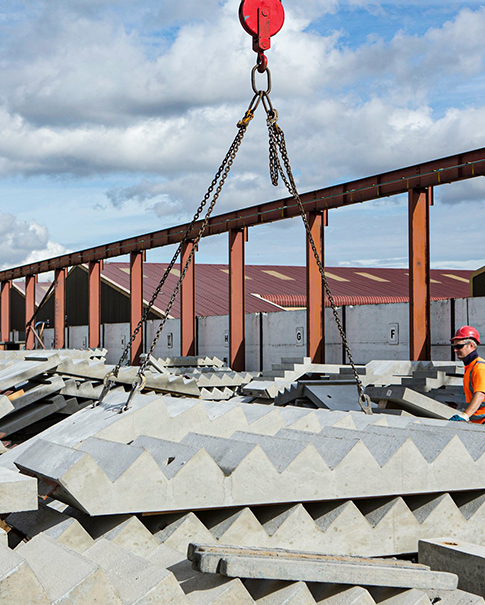

จุดยึดสำหรับยก กับ ห่วงยก: แบบไหนปลอดภัยกว่ากันสำหรับคอนกรีตสำเร็จรูป?
May 07, 2026เมื่อยกชิ้นส่วนคอนกรีตสำเร็จรูป การเลือกจุดยึดสำหรับยกที่เหมาะสมเป็นขั้นตอนที่สำคัญที่สุดในการรับรองความปลอดภัยในการก่อสร้าง ปัจจุบัน ผลิตภัณฑ์ที่ใช้กันอย่างแพร่หลายที่สุดในอุตสาหกรรมมีสองประเภท ได้แก่ ห่วงยกแบบฝังและจุดยึดยกแบบฝัง แบบแรกมีลักษณะคล้ายตะขอเหล็กเสริมที่หล่อลงในคอนกรีต ในขณะที่แบบหลังมีลักษณะคล้ายสกรูขนาดใหญ่ที่มีหัว แม้ว่าทั้งสองแบบจะสามารถใช้ยกชิ้นส่วนได้ แต่ก็มีความแตกต่างกันอย่างมากในด้านประสิทธิภาพด้านความปลอดภัย สถานการณ์ที่ใช้งานได้ และความเสี่ยงที่อาจเกิดขึ้น บทความนี้จะสำรวจความแตกต่างเหล่านี้อย่างละเอียดเพื่อช่วยให้คุณตัดสินใจด้านความปลอดภัยได้อย่างมีข้อมูลในโครงการจริง
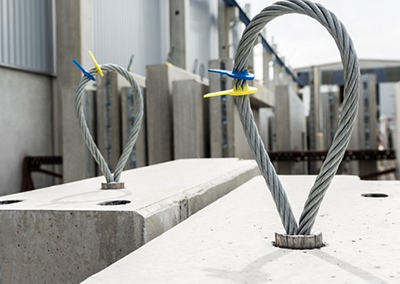
ห่วงยกแบบฝัง– จุดยึดสำหรับยกทำจากเหล็กเส้นกลมหรือลวดดัดเป็นรูปวงแหวน แล้วฝังไว้ในคอนกรีตก่อนเท เมื่อคอนกรีตแข็งตัวแล้ว วงแหวนจะยึดติดกับคอนกรีตและส่งแรงยกไปยังชิ้นส่วนนั้น เทคโนโลยีนี้มีประวัติยาวนานและโครงสร้างไม่ซับซ้อน จึงมีการใช้งานอย่างแพร่หลายในอาคารสำเร็จรูปและงานวิศวกรรมเทศบาลในประเทศจีน แบบร่างการออกแบบจำนวนมากยังคงระบุให้ใช้ห่วงยกเป็นจุดยกมาตรฐานอยู่
คุณสมบัติหลัก:
การฝังถาวร – คงอยู่ในคอนกรีต ไม่สามารถถอดออกได้
รับน้ำหนักได้สูง – โดยทั่วไปรับน้ำหนักได้ตั้งแต่ 10,000–100,000 ปอนด์ (ประมาณ 4.5–45 ตัน) หรือสูงกว่านั้น
ค่าความปลอดภัยสูง – การแตกหักของเหล็ก: ≥3.0; การแตกหักของคอนกรีต: ≥2.5 (โดยทั่วไป)
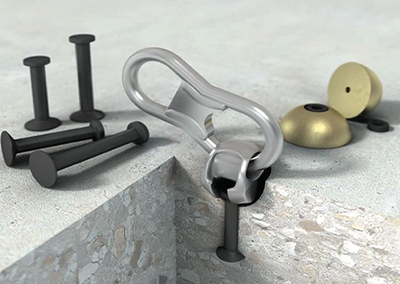
จุดยึดสำหรับยกแบบฝัง– ส่วนประกอบยกพิเศษในเทคโนโลยีคอนกรีตสำเร็จรูปสมัยใหม่ ตัวอย่างทั่วไป ได้แก่ พุกยกหัวกลม (มีหัวตีขึ้นรูปสำหรับเกี่ยวและพุกปลายสำหรับถ่ายเทน้ำหนัก) พุกยกแบบเกลียว (มีท่อเหล็กเจาะรูสำหรับเครื่องมือยกแบบเกลียวภายนอก) และพุกยกแบบแบน (ทำจากแผ่นเหล็กพร้อมอุปกรณ์ป้องกันการหลุดแบบหมุดหมุน) ไม่ว่าจะเป็นแบบใด คุณสมบัติทั่วไปคือโครงสร้างพุกปลายที่ถ่ายเทน้ำหนักลงไปในคอนกรีตอย่างลึกผ่านการยึดทางกล แทนที่จะอาศัยเพียงแค่การยึดเกาะระหว่างเหล็กเสริมกับคอนกรีต
คุณสมบัติหลัก:
การเชื่อมต่อชั่วคราว – ติดตั้งเพื่อใช้ในการยกเท่านั้น สามารถถอดและนำกลับมาใช้ใหม่ได้หลังเสร็จงาน
การจัดวางตำแหน่งที่ยืดหยุ่น – สามารถปรับมุมและตำแหน่งการยกได้ภายในช่วงที่อนุญาตของปลอก
ใช้ซ้ำได้ – ตัวยึดเดียวกันสามารถใช้กับชิ้นส่วนหลายชิ้นได้
| มิติเปรียบเทียบ | จุดยึดสำหรับยก | ห่วงยก |
| ความสามารถในการรับน้ำหนักโดยทั่วไป | 10,000–100,000+ ปอนด์ | ทั่วไป < 35,000 ปอนด์ |
| ปัจจัยความปลอดภัยจากการแตกหักของเหล็ก | γ = 3.0 (ส่วนที่เป็นของแข็ง) | γ ≥ 4.0 (เชือกลวด) |
| ปัจจัยความปลอดภัยต่อความล้มเหลวของคอนกรีต | γ = 2.5 | ขึ้นอยู่กับปลอกและวิธีการยึดในคอนกรีต |
| ลักษณะความล้มเหลวหลัก | การแตกหัก การหลุดออก การแตกร้าวของกรวยคอนกรีต | ลวดสลิงขาด, ปลอกหลุด, คอนกรีตแตก |
จุดยึดสำหรับยก – ข้อดีด้านความปลอดภัย:
ไม่มีความเสี่ยงในการประกอบ – ไม่จำเป็นต้องติดตั้งในสถานที่หลังจากฝังชิ้นส่วนไว้ล่วงหน้าแล้ว ซึ่งช่วยลดข้อผิดพลาดจากมนุษย์ (เช่น การคลายตัวหรือเกลียวไม่ตรงกัน)
ทนทานต่อแรงสั่นสะเทือน – จะไม่หลวมเนื่องจากการสั่นสะเทือนของรถหรือการแกว่งของสินค้าขณะขนส่ง
ข้อกำหนดความแข็งแรงของคอนกรีตที่ชัดเจน – โดยทั่วไปข้อกำหนดจะระบุว่าคอนกรีตต้องมีความแข็งแรง ≥15 MPa ก่อนการยก
ห่วงยก – ความเสี่ยงด้านความปลอดภัย:
ความเสี่ยงต่อการหลวม – หากไม่ได้ใช้สลักยึดหรือหมุดปลดเร็ว วงแหวนยกอาจหลุดออกจากปลอกได้เนื่องจากการสั่นสะเทือน
ความเสี่ยงจากการกัดกร่อน – หลังจากถอดชิ้นส่วนแล้ว ลวดสลิงจะสัมผัสกับสภาพแวดล้อมและมีโอกาสเกิดสนิม หากไม่ตรวจสอบอย่างละเอียดก่อนนำกลับมาใช้ใหม่ อาจขาดกะทันหันเนื่องจากพื้นที่หน้าตัดลดลงจากการกัดกร่อน
ความไวต่อมุม – การยกในมุมเอียงจะทำให้เกิดแรงเสียดทานระหว่างลวดสลิงและขอบปลอก ส่งผลให้เกิดการสึกหรอเร็วขึ้น
ควรเลือกใช้จุดยึดยกแบบฝังในกรณีต่อไปนี้:
ชิ้นส่วนมีน้ำหนักมาก (เช่น ชิ้นเดียวหนักกว่า 6 ตัน) และต้องการความต้านทานแรงดึงและแรงแยกสูง ณ จุดยก
จำเป็นต้องยกชิ้นงานจากหลายมุมในระหว่างการถอดแบบ การพลิก และการขนส่ง
ชิ้นส่วนที่มีผนังบางหรือระยะห่างขอบจำกัดเป็นสิ่งจำเป็น (ตัวยึดช่วยให้ปรับตัวได้ดีกว่า)
คุณต้องการระบบความปลอดภัยสำรองตามมาตรฐานยุโรป (ปัจจัยความปลอดภัยของจุดยึด ≥3)
โครงการนี้ต้องการความเร็วในการยกสูง ระบบขอเกี่ยวแบบรวดเร็ว (เช่น ขอเกี่ยวแบบปากเป็ด) ช่วยเพิ่มประสิทธิภาพได้อย่างมาก
ควรพิจารณาใช้ห่วงยกเมื่อ:
ชิ้นส่วนนั้นมีขนาดเล็กและน้ำหนักเบา (เช่น <(2 ตัน) – การใช้ห่วงจะประหยัดกว่า
จุดยกเป็นแบบถาวรและไม่จำเป็นต้องใช้งานบ่อยหรือซ้ำๆ
โครงการนี้มีความอ่อนไหวต่อต้นทุนอย่างมาก และการออกแบบ การคำนวณ และการทดสอบวัสดุทั้งหมดจึงต้องดำเนินการอย่างเข้มงวด
ห่วงดังกล่าวถูกหล่อรวมเป็นชิ้นเดียวกับโครงเสริมแรงหลัก และไม่มีเงื่อนไขการควบคุมแรงดึงด้านข้าง
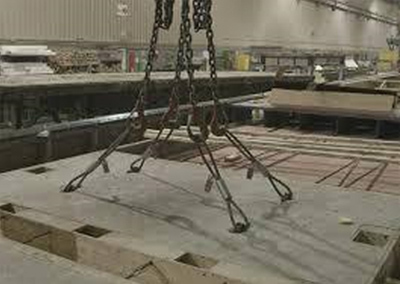
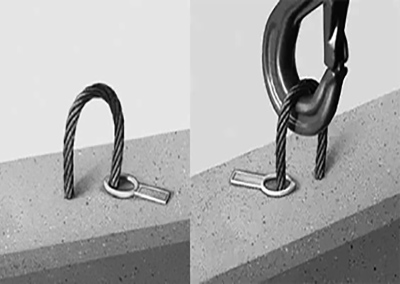
พุกยกมีความปลอดภัยกว่าในแง่ของความสามารถในการรับน้ำหนักโดยรวมและความน่าเชื่อถือในระยะยาว ทำให้เป็นตัวเลือกที่เหมาะสมสำหรับชิ้นส่วนคอนกรีตสำเร็จรูปขนาดใหญ่และการเชื่อมต่อถาวร รูปแบบการเสียหายของพุกสามารถคาดการณ์ได้และไม่ได้รับผลกระทบจากข้อผิดพลาดในการติดตั้งของมนุษย์
ห่วงยกมีความปลอดภัยเท่าเทียมกันเมื่อใช้งานอย่างถูกต้องและบำรุงรักษาอย่างเหมาะสม โดยมีข้อดีในด้านความยืดหยุ่นและประหยัด อย่างไรก็ตาม ความเสี่ยงด้านความปลอดภัยส่วนใหญ่มาจากการสึกหรอและการกัดกร่อนระหว่างการใช้งานซ้ำๆ รวมถึงความจำเป็นในการติดตั้งที่ถูกต้องในสถานที่ใช้งาน
สามสิ่งสำคัญที่จะช่วยให้รอดพ้นจากอันตราย – ไม่ว่าคุณจะเลือกใช้สมอแบบใดก็ตาม:
① ยกขึ้นได้ก็ต่อเมื่อคอนกรีตมีความแข็งแรงตามที่ต้องการแล้วเท่านั้น
ความแข็งแรงของคอนกรีตในช่วงเริ่มต้นที่ไม่เพียงพอเป็นหนึ่งในสาเหตุที่พบบ่อยที่สุดของการล้มเหลวของจุดยก การยกชิ้นส่วนคอนกรีตสำเร็จรูปครั้งแรกควรทำก็ต่อเมื่อคอนกรีตมีความแข็งแรงอย่างน้อย 15–20 MPa หรือค่าต่ำสุดที่ระบุไว้ในเอกสารทางเทคนิคของจุดยึด ความแข็งแรงที่ไม่เพียงพอหมายความว่าคอนกรีตไม่สามารถให้แรงยึดเกาะที่เพียงพอ ทำให้แม้แต่จุดยึดที่ออกแบบมาอย่างดีก็ไม่มีประสิทธิภาพ
② ห้ามใช้จุดยึดที่ไม่ได้มาตรฐานหรือไม่ได้รับการตรวจสอบเด็ดขาด
การซื้อห่วงยกหรือจุดยึดที่ไม่ได้ผ่านการทดสอบจากช่องทางที่ไม่เป็นทางการนั้นมีความเสี่ยงสูงมาก ผลิตภัณฑ์ที่ไม่ได้มาตรฐานมักใช้วัสดุที่เปราะบางหรือมีกระบวนการผลิตที่บกพร่อง ขาดความยืดหยุ่นและระบบความปลอดภัยที่จำเป็น
③ ปฏิบัติตามการตรวจสอบก่อนยกอย่างเคร่งครัด และควบคุมมุมการยกให้ถูกต้อง
ตรวจสอบว่าคอนกรีตรอบชิ้นส่วนที่ฝังอยู่มีรอยแตกหรือไม่ อุปกรณ์ยกเข้ากันได้กับจุดยึดหรือไม่ และมุมการยกอยู่ในช่วงที่อนุญาตหรือไม่ (โดยทั่วไปแนะนำว่าไม่ควรเกิน 30°) ทุกรายละเอียดมีความสำคัญ แม้แต่ความผิดพลาดเล็กน้อยก็อาจนำไปสู่ผลที่ตามมาอย่างแก้ไขไม่ได้
สำหรับงานรับน้ำหนักถาวรขนาดใหญ่ ให้เลือกใช้สมอ สำหรับงานรับน้ำหนักเบาและยืดหยุ่น ให้เลือกใช้ห่วง สำหรับพื้นที่สำคัญ ให้ใช้ระบบแบบผสมผสาน
ไม่ว่าคุณจะเลือกใช้ระบบใดก็ตาม คุณต้องปฏิบัติตามกฎเหล็กเหล่านี้:
ห้ามใช้สมอและห่วงยกจากผู้ผลิตต่างกันเด็ดขาด ต้องใช้ระบบที่เข้ากันและได้รับการรับรองเสมอ
ห่วงยกต้องได้รับการทดสอบแบบไม่ทำลายก่อนใช้งานทุกครั้ง หากพบสายไฟขาด การกัดกร่อน หรือการเสียรูป ให้ทิ้งทันที
ต้องติดตั้งจุดยึดสำหรับยกหลังจากตรวจสอบแล้วว่าคอนกรีตมีความแข็งแรงตามที่กำหนดแล้วเท่านั้น
แผนการยกทุกครั้งจะต้องได้รับการคำนวณโดยวิศวกรผู้เชี่ยวชาญ เพื่อกำหนดจุดศูนย์ถ่วง ตำแหน่งจุดยก และเส้นทางการเคลื่อนย้ายของน้ำหนัก
ความปลอดภัยไม่ได้เกิดขึ้นจากการเลือกใช้ผลิตภัณฑ์เพียงอย่างเดียว แต่ต้องอาศัยห่วงโซ่ที่ครบวงจร ตั้งแต่การเลือกที่ถูกต้อง การติดตั้งตามมาตรฐาน การตรวจสอบอย่างเข้มงวด และการใช้งานโดยผู้เชี่ยวชาญ
Whatsapp : +86 -13559234186
อีเมล : sale@lscmagnetics.com
โทร : +86 -13559234186