
-

ส่งอีเมลถึงเรา
sale@lscmagnetics.com -

เบอร์ติดต่อ
+86 -13559234186
ส่งอีเมลถึงเรา
sale@lscmagnetics.comเบอร์ติดต่อ
+86 -13559234186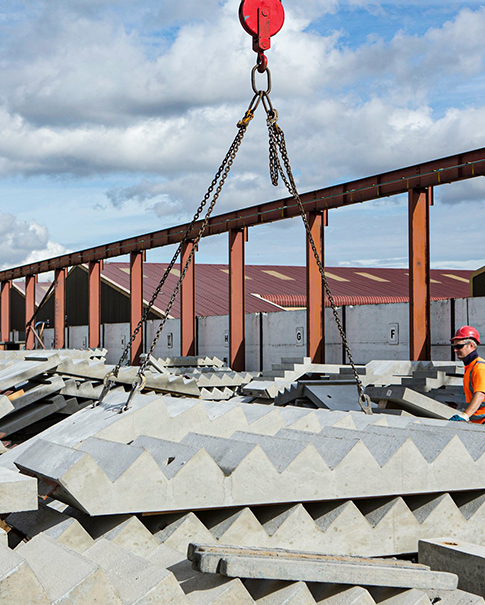

ซีลยางชิ้นเล็กๆ นี้ "ช่วยประหยัด" ประโยชน์อะไรในอาคารสำเร็จรูป?
May 15, 2026ตลาดคอนกรีตสำเร็จรูปทั่วโลกกำลังเติบโตอย่างรวดเร็ว ข้อมูลแสดงให้เห็นว่าขนาดตลาดแตะระดับ 141.92 พันล้านดอลลาร์สหรัฐในปี 2024 และคาดว่าจะเพิ่มขึ้นอีกในอนาคตมูลค่า 242.59 พันล้านดอลลาร์ภายในปี 2032 แผ่นผนังสำเร็จรูป บันไดสำเร็จรูป และคานและเสาสำเร็จรูปกำลังถูกนำมาใช้มากขึ้นในอาคารพาณิชย์ โรงงานอุตสาหกรรม โครงการที่อยู่อาศัย และโครงสร้างพื้นฐานสาธารณะ
อย่างไรก็ตาม ภายในกระบวนการที่ดูเหมือนจะมีประสิทธิภาพอย่าง "การผลิตชิ้นส่วนสำเร็จรูปจากโรงงาน + การประกอบในสถานที่ก่อสร้าง" รายละเอียดที่มักถูกมองข้ามไปนั้นกำลังทำให้ตารางการก่อสร้างล่าช้าและทำให้ต้นทุนสูงขึ้นอย่างเงียบๆ นั่นก็คือ การปรับระดับและการจัดวางชิ้นส่วนสำเร็จรูปในสถานที่ก่อสร้าง
ลองนึกภาพแผ่นผนังสำเร็จรูปหนักหลายตันถูกยกขึ้นไปติดตั้งบนฐานคอนกรีต โดยต้องใช้ความแม่นยำระดับมิลลิเมตร ทีมงานก่อสร้างจะทำการปรับระดับให้เสร็จเร็วได้อย่างไร? พวกเขาควรใช้วัสดุอะไรในการรองรับและปรับระดับ? การเลือกใช้วัสดุที่แตกต่างกันอาจนำไปสู่ช่องว่างด้านประสิทธิภาพที่แตกต่างกันถึงสิบเท่าหรือมากกว่านั้น
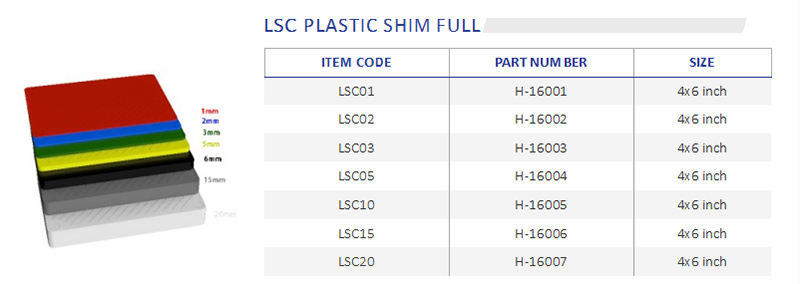
องค์ประกอบที่สำคัญนี้คือ แผ่นรองพลาสติก.
ปัญหาคอขวดด้านประสิทธิภาพในการก่อสร้างแบบสำเร็จรูป: ครึ่งหนึ่งของเวลาที่ใช้ไปกับ "การจัดแนว"
คุณค่าหลักของการก่อสร้างแบบสำเร็จรูปอยู่ที่ "การผลิตในโรงงานและการประกอบอย่างรวดเร็วในสถานที่ก่อสร้าง" แต่ปัญหาคอขวดด้านประสิทธิภาพในกระบวนการติดตั้งในสถานที่ก่อสร้างมักเป็นสิ่งที่คาดไม่ถึง
จากการศึกษาเปรียบเทียบโดยมหาวิทยาลัยนิวเซาท์เวลส์ พบว่า การติดตั้งแผงผนังเหล็กสำเร็จรูป ณ สถานที่ก่อสร้าง ช่วยลดระยะเวลาการติดตั้งจาก 13 วันทำการ เหลือเพียง 4 วันทำการ ซึ่งประหยัดเวลาได้ประมาณ 69% และประหยัดค่าใช้จ่ายได้ประมาณ 39% นอกจากนี้ การศึกษาอื่นๆ ยังแสดงให้เห็นว่า อาคารโมดูลาร์สำเร็จรูป สามารถลดเวลาการก่อสร้างได้ถึง 50% และลดของเสียจากวัสดุได้ถึง 83%
อย่างไรก็ตาม มีเงื่อนไขสำคัญโดยนัยอยู่เบื้องหลังตัวเลขเหล่านี้ นั่นคือ การปรับระดับ การจัดวาง และการยึดตรึงระหว่างการติดตั้งในสถานที่ก่อสร้างต้องดำเนินไปอย่างราบรื่น หากขั้นตอน "การจัดแนว" ติดขัด ตารางงานก่อสร้างทั้งหมดก็จะล่าช้าออกไป
ในวิธีการดั้งเดิม คนงานจะต้องปรับระดับพื้นผิวฐานรากอย่างคร่าวๆ ก่อนโดยใช้ทรายหรือเศษไม้ ก่อนที่จะยกแผ่นผนังสำเร็จรูปขึ้นไป แผ่นผนังเพียงแผ่นเดียวมักต้องลองยกหลายครั้ง—ลดระดับลง ยกขึ้น เติมทราย แล้วลดระดับลงอีกครั้ง—ทำซ้ำกระบวนการนี้สองหรือสามครั้ง ซึ่งอาจใช้เวลานานกว่าครึ่งชั่วโมงในการยกแผ่นผนังเพียงแผ่นเดียว ปัญหาที่ใหญ่กว่านั้นคือ เศษไม้จะขยายตัวและบิดงอเมื่อสัมผัสกับความชื้น ในขณะที่ชั้นปูนที่ใช้รองพื้นจะหดตัวและเปลี่ยนความหนาเมื่อแห้ง ส่งผลให้แผ่นผนังที่ปรับระดับอย่างถูกต้องแล้วอาจเบี้ยวอีกครั้งหลังจากนั้นไม่กี่วัน ทำให้ต้องแก้ไขใหม่
นี่คือจุดเด่นสำคัญของแผ่นรองปรับระดับพลาสติกอย่างแท้จริง
วิธีที่แผ่นรองพลาสติกช่วยเพิ่มประสิทธิภาพ: ชุดข้อมูลบอกคำตอบให้คุณ
| มิติเปรียบเทียบ | แผ่นรองพลาสติก | การปรับระดับพื้นด้วยเศษไม้และปูนซีเมนต์แบบดั้งเดิม | การปรับปรุงประสิทธิภาพ / การประหยัดต้นทุน |
| ระยะเวลาการติดตั้งแผงผนังเดี่ยว | การวางแผ่นรองปรับระดับใช้เวลาประมาณ 5 วินาที ไม่จำเป็นต้องรอให้กาวแห้งสนิท | การผสมและการฉาบปูนใช้เวลา 5-10 นาที การตัดและวัดปริมาณเศษไม้ที่หน้างานใช้เวลา 2-3 นาที | ประหยัดเวลาในการติดตั้งได้ 90%-98% |
| จำนวนครั้งของการยกทดลอง (โดยเฉลี่ย) | ยกสำเร็จในครั้งเดียว (อัตราความสำเร็จ >95%) | ต้องทดลองยก ปรับระดับ และปรับแต่ง 2-3 ครั้ง | ลดการใช้งานเครนลง 50%-66% |
| เวลาที่เครนใช้ในการยกแผงเดียว | 3-5 นาที (รวมถึงการลดแผงควบคุมและการปรับแต่งอย่างละเอียด) | 15-20 นาที (ทดลองยกและปรับระดับพื้นซ้ำหลายครั้ง) | ประหยัดเวลาได้ 10-15 นาทีต่อแผง |
| ความต้องการกำลังคนในสถานที่ปฏิบัติงาน | 1 คนปฏิบัติงานอิสระ | การเทปูนซีเมนต์ต้องใช้คน 2-3 คน (ในการผสม การเท และการยก) ส่วนการโรยเศษไม้ต้องใช้คน 1-2 คน (รวมถึงการตัด) | ลดจำนวนพนักงานลง 30%-50% |
| อัตราการแก้ไขงาน / อัตราการทำงานผ่านครั้งแรก | อัตราผลงานผ่านครั้งแรก > 95% อัตราการแก้ไขงาน < 5% | เศษไม้ทำให้เกิดการทรุดตัวในภายหลังเนื่องจากการเสียรูป/เน่าเปื่อย อัตราการซ่อมแซม 15-30% การหดตัวจากการแห้งของปูนฉาบมีแนวโน้มที่จะเบี่ยงเบน | อัตราการทำงานซ้ำลดลงเหลือมากกว่า 80% |
| ต้นทุนวัสดุ (ราคาต่อหน่วย) | ราคาประมาณ 0.5-2 หยวน/ชิ้น (ขึ้นอยู่กับความหนาและคุณสมบัติ) | เศษไม้แทบจะฟรี (เป็นวัสดุเหลือใช้) แต่ต้นทุนโดยรวมของความเสียหายนั้นสูง ปูนซีเมนต์มีราคาประมาณ 5-10 หยวนต่อแผ่น (รวมถึงการผสมผสานแรงงาน) | ต้นทุนวัสดุใกล้เคียงกันหรือสูงกว่าเล็กน้อย แต่ต้นทุนโดยรวมนั้นต่ำมาก |
| ค่าใช้จ่ายในการก่อสร้างโดยรวม (รวมค่าแรง ค่าเครน และค่าแก้ไขงาน) | ราคาโดยประมาณ: 15-20 หยวน/แผง | ราคาโดยประมาณ: 50-80 หยวน/แผง (รวมถึงการแก้ไขงาน การยกของหลายครั้ง และค่าแรง) | ประหยัดค่าใช้จ่ายต่อแผง: 60-70% |
| ส่วนลดรวมสำหรับโครงการแผ่นผนัง 200 แผ่น | — | — | ประหยัดค่าใช้จ่าย 10,000-15,000 หยวน (ค่าเคลื่อนย้ายเครน + ค่าแรง); ระยะเวลาก่อสร้างสั้นลง 2-4 วัน |
ข้อมูลนี้เป็นการประมาณการโดยอิงจากแผ่นผนังสำเร็จรูปมาตรฐานแต่ละแผ่น (ขนาดประมาณ 2.5 ม. × 3 ม.) และใช้ได้กับโครงการขนาดกลาง (200-300 แผ่นผนัง)
หมายเหตุ:
> - ค่าจ้างต่อกะของเครนโดยประมาณอยู่ที่ 500-800 หยวนต่อชั่วโมง;
> - ค่าแรงโดยประมาณอยู่ที่ 40-60 หยวนต่อชั่วโมงต่อคน;
ค่าใช้จ่ายในการแก้ไขงานประกอบด้วย การยกของขึ้นใหม่ การปรับแต่งด้วยมือ และการสูญเสียวัสดุ
Whatsapp : +86 -13559234186
อีเมล : sale@lscmagnetics.com
โทร : +86 -13559234186