
-

ส่งอีเมลถึงเรา
sale@lscmagnetics.com -

เบอร์ติดต่อ
+86 -13559234186
ส่งอีเมลถึงเรา
sale@lscmagnetics.comเบอร์ติดต่อ
+86 -13559234186

การยึดแบบหล่อด้วยแม่เหล็ก กับการยึดด้วยสกรู: ระบบแบบหล่อแบบไหนดีกว่ากัน?
Apr 19, 2026ในการผลิตชิ้นส่วนคอนกรีตสำเร็จรูป วิธีการยึดแบบหล่อมีผลโดยตรงต่อประสิทธิภาพการผลิต ความแม่นยำของชิ้นส่วน และต้นทุนโดยรวม ปัจจุบันมีวิธีการทางเทคนิคหลักสองวิธีในตลาด ได้แก่—แม่เหล็กบานประตู และการยึดด้วยสกรู—แต่ละระบบต่างก็มีผู้สนับสนุนที่ภักดี ดังนั้น ระบบใดจึงเหมาะสมกับสายการผลิตของคุณมากกว่ากัน?
หลักการพื้นฐาน
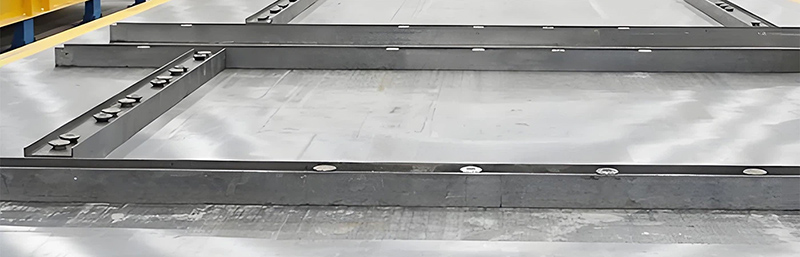
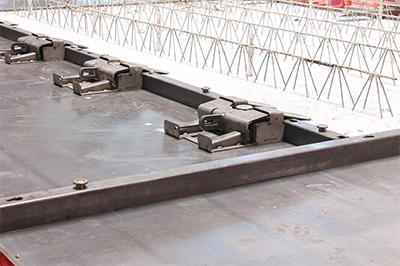
- แม่เหล็กสำหรับยึดแบบหล่อ: ใช้แรงดึงดูดแม่เหล็กอันทรงพลังที่เกิดจากวัสดุแม่เหล็กถาวรประสิทธิภาพสูง ทำให้แบบหล่อติดแน่นกับแท่นเหล็ก สามารถติดตั้งและถอดออกได้อย่างรวดเร็วโดยการควบคุมการเปิด/ปิดวงจรแม่เหล็กผ่านด้ามจับหรือกลไกการหมุน
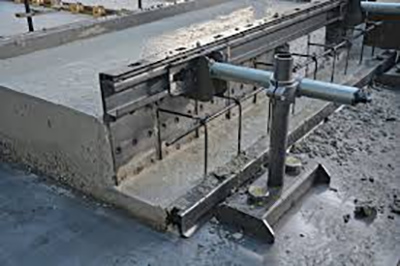
- การยึดด้วยสกรู: เป็นวิธีการยึดเชิงกลแบบดั้งเดิมที่ใช้สลักเกลียว น็อต แหวนรอง และตัวยึดอื่นๆ เพื่อล็อคแบบหล่อเข้ากับแท่นแม่พิมพ์ (หรือล็อคเข้าด้วยกัน) โดยปกติแล้ววิธีนี้ต้องเจาะรูไว้ล่วงหน้าในแท่นแม่พิมพ์หรือแบบหล่อก่อน
การเปรียบเทียบประสิทธิภาพหลัก
| มิติเปรียบเทียบ | แม่เหล็กบานประตู | การยึดด้วยสกรู |
| การติดตั้ง | ความเร็วในการลบ: เร็วมาก (เสร็จภายในไม่กี่วินาที) | ค่อนข้างช้า (ต้องขันน็อตหลายตัว) |
| การพึ่งพาแรงงานคน | ระดับต่ำ (สามารถใช้งานได้โดยคนเพียงคนเดียว) | ระดับสูง (ต้องใช้คนสองคน และต้องใช้แรงกายมาก) |
| การควบคุมที่แม่นยำ | สูง (ไม่มีช่องว่าง ไม่มีส่วนใดหลวม) | ขนาดกลาง (มีโอกาสคลาดเคลื่อนได้เนื่องจากการสึกหรอของเกลียวหรือการขันไม่แน่น) |
| ความเสียหายของโต๊ะเชื้อรา | แทบไม่มีเลย (ไม่มีตำแหน่งว่าง) | ใช่ (การเจาะและการตอกเกลียวบ่อยครั้งอาจทำให้แท่นแม่พิมพ์เสียหายได้) |
| ค่าใช้จ่ายในการบำรุงรักษา | ระดับต่ำ (การทำความสะอาดเศษโลหะอย่างสม่ำเสมอ ป้องกันการเสื่อมสภาพของสนามแม่เหล็ก) | ค่าใช้จ่ายค่อนข้างสูง (การเปลี่ยนน็อต การซ่อมเกลียว) |
| การลงทุนเริ่มต้น | ราคาค่อนข้างสูง (กล่องแม่เหล็กหนึ่งกล่องมีราคาสูงถึงหลายร้อยถึงหลายพันหยวน) | ราคาต่ำ (น็อตและอุปกรณ์ยึดอื่นๆ มีราคาถูกมาก) |
| สถานการณ์ที่เกี่ยวข้อง | สายการผลิตที่มีปริมาณมาก อัตราการหมุนเวียนสูง และความแม่นยำสูง | การผลิตชิ้นส่วนจำนวนน้อย รูปทรงไม่สม่ำเสมอ และเงื่อนไขที่มีข้อจำกัดด้านการลงทุน |
1. ความเร็วที่ช่วยเพิ่มประสิทธิภาพ
ในสายการผลิตอัตโนมัติ การเปลี่ยนแปลงขนาดของชิ้นส่วนแต่ละครั้งหมายถึงการปรับเปลี่ยนแบบหล่อใหม่ทั้งหมด แต่ด้วยกล่องแม่เหล็ก พนักงานเพียงคนเดียวก็เพียงแค่หมุนที่จับ – ไม่ต้องใช้เครื่องมือ ไม่ต้องงัดแงะน็อต นั่นเร็วกว่าการยึดด้วยสกรูถึง 5-10 เท่า หากคุณเปลี่ยนแบบหล่อหลายครั้งต่อวัน เวลาที่ประหยัดไปได้เหล่านั้นจะส่งผลให้ผลผลิตเพิ่มขึ้นอย่างแท้จริง
การยึดด้วยสกรูมีปัญหาเรื่อง “การขันแน่นที่ไม่ถูกต้อง” – คนงานแต่ละคนใช้แรงบิดต่างกัน และความยาวของด้ามประแจก็ไม่เท่ากัน ในระหว่างการสั่นสะเทือนของคอนกรีต สลักเกลียวอาจหลวมและแบบหล่ออาจเคลื่อนที่ได้ กล่องแม่เหล็กให้แรงยึดที่มั่นคงและสม่ำเสมอ (โดยทั่วไป 600–1500 กิโลกรัมต่อกล่อง) ซึ่งจะไม่ลดลงเมื่อเกิดการสั่นสะเทือน ผลลัพธ์ที่ได้คือ ความสม่ำเสมอของขนาดที่ดีขึ้น ซึ่งมีความสำคัญอย่างยิ่งสำหรับแผ่นพื้นคอมโพสิต แผ่นผนัง และสิ่งใดก็ตามที่มีความคลาดเคลื่อนของขอบแคบ
พาเลทเหล็กของคุณเป็นหนึ่งในสินทรัพย์ที่มีราคาแพงที่สุดในโรงงาน การยึดด้วยสกรูต้องเจาะและทำเกลียวรูหลายร้อยรู หลังจากใช้งานซ้ำๆ เกลียวจะสึกหรอและรูจะแตก ทำให้ต้องลดระดับหรือทิ้งพาเลทไป แต่กล่องแม่เหล็กไม่จำเป็นต้องเจาะรูเลย พื้นผิวของพาเลทจึงยังคงสภาพสมบูรณ์ ยืดอายุการใช้งานได้ 2-3 เท่า
พนักงานไม่จำเป็นต้องก้มตัวลงไปขันน็อตหลายสิบตัวหรือแบกประแจหนักๆ อีกต่อไปแล้ว กล่องแม่เหล็กมีน้ำหนักเบา (โดยทั่วไป 5-15 กิโลกรัม) และง่ายต่อการใช้งาน ซึ่งช่วยลดความเหนื่อยล้าและทำให้พนักงานหลากหลายกลุ่มสามารถทำงานได้มากขึ้น – ซึ่งเป็นประโยชน์อย่างแท้จริงในยุคที่การสรรหาและรักษาพนักงานเป็นเรื่องยาก
แม้ว่ากล่องแม่เหล็กจะมีข้อดีมากมาย แต่การยึดด้วยสกรูยังคงใช้กันอยู่ นี่คือเหตุผล:
ต้นทุนเริ่มต้นต่ำมาก – ชุดกล่องแม่เหล็กครบชุดอาจมีราคาสูงถึงหลายหมื่นหยวน ในขณะที่ถุงน็อตมีราคาเพียงไม่กี่ร้อยหยวน สำหรับร้านค้าขนาดเล็กหรือการหล่อคานในสถานที่ น็อตจึงเป็นทางเลือกที่ใช้งานได้จริง
แบบหล่อที่ไม่เป็นรูปทรงปกติหรือไม่เป็นไปตามมาตรฐาน – หากแบบหล่อมีรูปทรงซับซ้อนและไม่มีพื้นผิวเหล็กเรียบสำหรับให้กล่องแม่เหล็กยึดเกาะ สามารถใช้สกรูยึดในตำแหน่งที่ต้องการได้อย่างแม่นยำ
สภาวะอุณหภูมิสูง – แม่เหล็กถาวรบางชนิดจะสูญเสียความแรงเมื่ออุณหภูมิสูงกว่า 80 องศาเซลเซียส หากคุณกำลังผลิตชิ้นส่วนที่ผ่านการอบด้วยไอน้ำและระบบควบคุมอุณหภูมิของคุณไม่น่าเชื่อถือ การยึดด้วยสกรูจะปลอดภัยกว่า (แต่กล่องแม่เหล็กคุณภาพดีจะใช้แม่เหล็กนีโอไดเมียมที่ทนอุณหภูมิได้ถึง 120 องศาเซลเซียส)
แบบหล่อที่ไม่ใช้แม่เหล็ก – กล่องแม่เหล็กใช้ได้เฉพาะกับพื้นผิวที่เป็นแม่เหล็ก (เช่น เหล็ก) เท่านั้น หากคุณต้องการยึดแบบหล่อที่ทำจากไม้ อลูมิเนียม หรือพลาสติก คุณไม่มีทางเลือกอื่นนอกจากใช้สกรู
สำหรับโรงงานผลิตคอนกรีตสำเร็จรูปสมัยใหม่ส่วนใหญ่ การยึดกล่องด้วยแม่เหล็กถือเป็นการอัพเกรดที่ชัดเจน ประสิทธิภาพ ความแม่นยำ และอายุการใช้งานของพาเลทที่เพิ่มขึ้น มักจะคืนทุนภายใน 6-12 เดือน – ผ่านการลดต้นทุนแรงงานและยืดอายุการใช้งานของอุปกรณ์
ควรให้ความสำคัญกับกล่องแม่เหล็กหากคุณผลิตสินค้าดังต่อไปนี้:
แผ่นพื้นคอมโพสิตหรือผนังสองชั้น
บันไดสำเร็จรูปหรือแผ่นพื้นระเบียงสำเร็จรูป
แผ่นพื้นกลวงอัดแรง
ชิ้นส่วนมาตรฐานที่มีปริมาณการผลิตสูงและมีความซ้ำซ้อนสูง
ควรใช้การยึดด้วยสกรูเฉพาะในกรณีพิเศษเหล่านี้เท่านั้น:
ปริมาณการผลิตต่อปีต่ำกว่า 5,000 ลูกบาศก์เมตร (โรงงานขนาดเล็ก)
มีความจำเป็นต้องซ่อมแซมแบบหล่อที่ไม่เป็นแม่เหล็กหรือแบบหล่อที่ทนความร้อนสูงอยู่บ่อยครั้ง
แบบหล่อมีรูปทรงไม่สม่ำเสมอ ทำให้ไม่สามารถวางกล่องแม่เหล็กได้อย่างมีประสิทธิภาพ
เคล็ดลับสุดท้าย: กล่องแม่เหล็กไม่ได้มีคุณภาพเท่ากันทั้งหมด เมื่อซื้อ ควรตรวจสอบการรับประกันความคงทนของสนามแม่เหล็ก (อย่างน้อย 5 ปี) ความทนทานของกลไกการเปิด/ปิด และการออกแบบที่ป้องกันการเสื่อมสภาพของสนามแม่เหล็กโดยไม่ตั้งใจ ลงทุนครั้งเดียว ได้ประโยชน์นานหลายปี
แท็ก :
Whatsapp : +86 -13559234186
อีเมล : sale@lscmagnetics.com
โทร : +86 -13559234186