
-

ส่งอีเมลถึงเรา
sale@lscmagnetics.com -

เบอร์ติดต่อ
+86 -13559234186
ส่งอีเมลถึงเรา
sale@lscmagnetics.comเบอร์ติดต่อ
+86 -13559234186

ความแตกต่างที่สำคัญระหว่างการใช้ระบบแม่เหล็กในโรงงานผลิตชิ้นส่วนสำเร็จรูปกับการใช้แคลมป์ยึดแบบหล่อแบบดั้งเดิมมีอะไรบ้าง?
Dec 17, 2025ในกระบวนการผลิตคอนกรีตสำเร็จรูป วิธีการยึดแบบหล่อเป็นหนึ่งในปัจจัยสำคัญที่ส่งผลต่อประสิทธิภาพการผลิต ต้นทุน และคุณภาพของผลิตภัณฑ์ ด้วยการพัฒนาของเทคโนโลยี ระบบแม่เหล็กจึงค่อยๆ กลายเป็นวิธีการยึดแบบหล่อที่กำลังได้รับความนิยมมากขึ้น นำมาซึ่งการเปลี่ยนแปลงที่สำคัญหลายประการเมื่อเทียบกับตัวยึดแบบหล่อแบบดั้งเดิม
01 ความแตกต่างพื้นฐานในหลักการทางเทคนิค
การประยุกต์ใช้ระบบแม่เหล็กและแคลมป์แบบหล่อแบบดั้งเดิมในโรงงานผลิตชิ้นส่วนคอนกรีตสำเร็จรูปนั้น สะท้อนให้เห็นถึงหลักการทำงานพื้นฐานที่แตกต่างกันอย่างชัดเจน
โดยทั่วไปแล้ว การยึดแบบหล่อแบบดั้งเดิมจะใช้การยึดทางกล เช่น สกรู สลักเกลียว และแคลมป์ โดยใช้แรงกดทางกายภาพกับแบบหล่อเพื่อให้ยึดติด วิธีนี้ต้องมีการเจาะรูหรือเชื่อมแบบหล่อและฐานก่อน โดยแต่ละจุดเชื่อมต่อต้องใช้ตัวยึดแยกต่างหากและต้องดำเนินการด้วยมือ
ในทางกลับกัน ระบบแม่เหล็กอาศัยแรงดึงดูดอันแข็งแกร่งของแม่เหล็กถาวร สนามแม่เหล็กที่เกิดจากแม่เหล็กนีโอไดเมียมประสิทธิภาพสูงจะยึดแบบหล่อเข้ากับแท่นเหล็กอย่างแน่นหนา
หลักการทำงานของระบบแม่เหล็กนั้นไม่ซับซ้อน อุปกรณ์เหล่านี้ประกอบด้วยแม่เหล็กถาวรประสิทธิภาพสูง กล่องควบคุมแม่เหล็กจะช่วยเสริมและปกป้องแรงแม่เหล็กของบล็อกแม่เหล็กภายใน ทำให้บล็อกแม่เหล็กอยู่ในสถานะทำงานหรือหยุดทำงาน เมื่อกล่องแม่เหล็กทำงาน พื้นผิวที่ใช้ยึดที่ด้านล่างของบล็อกแม่เหล็กจะยึดติดแน่นกับแท่นผลิตคอนกรีตสำเร็จรูป ทำให้ยึดติดได้อย่างมั่นคง
เมื่อใช้คันงัดเพื่อยกบล็อกแม่เหล็กขึ้น แรงแม่เหล็กส่วนใหญ่จะถูกบังไว้โดยกล่องควบคุมแม่เหล็ก ทำให้แรงแม่เหล็กด้านล่างลดลงอย่างมาก ส่งผลให้สามารถถอดกล่องแม่เหล็กออกจากแท่นได้ด้วยมือเปล่า เทคโนโลยีนี้ไม่ต้องพึ่งพาแหล่งพลังงานภายนอก และทำงานโดยอาศัยคุณสมบัติทางกายภาพของแม่เหล็กเองทั้งหมด
02 การวิเคราะห์เปรียบเทียบประสิทธิภาพและต้นทุน
ในกระบวนการผลิตชิ้นส่วนคอนกรีตสำเร็จรูป เวลาคือเงินทอง ความแตกต่างในด้านประสิทธิภาพและต้นทุนระหว่างระบบแม่เหล็กและระบบยึดแบบดั้งเดิมนั้นส่งผลโดยตรงต่อผลกำไรของโครงการ
การใช้แคลมป์แบบดั้งเดิมนั้นต้องเจาะรู ติดตั้งสกรู และขันน็อตทีละตัว ซึ่งกระบวนการนี้ไม่เพียงแต่เสียเวลาเท่านั้น แต่ยังเสี่ยงต่อการเกิดข้อผิดพลาดอีกด้วย ยกตัวอย่างเช่น แม่พิมพ์ชิ้นส่วนบันไดสำเร็จรูป การเชื่อมต่อแม่พิมพ์ด้านข้างแบบดั้งเดิมนั้นต้องใช้การยึดสกรูด้านบนและการวางตำแหน่งหมุดด้านล่าง ทำให้การทำงานซับซ้อน
ระบบแม่เหล็กช่วยเพิ่มความเร็วในการติดตั้งได้อย่างมาก ข้อมูลจากอุตสาหกรรมแสดงให้เห็นว่าการใช้ระบบแม่เหล็กสามารถลดเวลาในการติดตั้งแม่แบบได้มากกว่า 70% สวิตช์กล่องแม่เหล็กแบบง่ายๆ สามารถยึดแม่แบบด้านข้างทั้งหมดได้อย่างแน่นหนาในทันที โดยไม่จำเป็นต้องปรับตัวยึดแต่ละตัวทีละตัว
จากมุมมองด้านต้นทุน แม้ว่าแคลมป์ยึดแม่พิมพ์แบบดั้งเดิมจะมีต้นทุนการลงทุนเริ่มต้นที่ต่ำกว่า แต่ต้นทุนการดำเนินงานในระยะยาวกลับสูงกว่า ตัวยึดเชิงกลเสียหายได้ง่ายและต้องเปลี่ยนใหม่เป็นประจำ การเจาะและการเชื่อมอาจทำให้แท่นแม่พิมพ์เสียหายถาวร ส่งผลให้อายุการใช้งานสั้นลง และต้นทุนแรงงานยังคงสูงอย่างต่อเนื่อง
ในทางตรงกันข้าม แม้ว่าระบบแม่เหล็กจะมีต้นทุนการลงทุนเริ่มต้นที่สูงกว่า แต่ก็มีข้อได้เปรียบด้านต้นทุนที่สำคัญ เมื่อติดตั้งแล้ว อุปกรณ์แม่เหล็กสามารถนำกลับมาใช้ซ้ำได้หลายพันครั้ง ซึ่งยาวนานกว่าอายุการใช้งานของแคลมป์แบบดั้งเดิมมาก เนื่องจากไม่จำเป็นต้องเจาะหรือเชื่อม แบบหล่อและโต๊ะแม่พิมพ์จึงยังคงสภาพเดิม ช่วยลดค่าใช้จ่ายในการบำรุงรักษาได้อย่างมาก
แม่เหล็กคอนกรีตสำเร็จรูป สามารถรับน้ำหนักได้ถึง 2100 กิโลกรัม ทำให้มีน้ำหนักเบามากและเหมาะสำหรับการใช้งานในโรงงานผลิตคอนกรีตสำเร็จรูป สามารถเข้าถึงได้ง่ายด้วยเครน ความสามารถในการรับน้ำหนักที่แข็งแกร่งนี้ช่วยให้สามารถตอบสนองความต้องการในการผลิตชิ้นส่วนคอนกรีตสำเร็จรูปส่วนใหญ่ได้
03 การเปรียบเทียบข้อมูลประสิทธิภาพหลัก
ตารางด้านล่างนี้แสดงให้เห็นถึงความแตกต่างด้านประสิทธิภาพระหว่างระบบแม่เหล็กและแคลมป์แม่แบบแบบดั้งเดิมจากหลายแง่มุม:
| มิติเปรียบเทียบ | ระบบแม่เหล็ก | แคลมป์แม่แบบแบบดั้งเดิม |
| ความเร็วในการติดตั้ง | ประมาณ 30% ของเวลาเมื่อเทียบกับวิธีการแบบดั้งเดิม | เวลาพื้นฐาน |
| ความเร็วในการถอดประกอบ | ประมาณ 20% ของเวลาเมื่อเทียบกับวิธีการแบบดั้งเดิม | เวลาพื้นฐาน |
| จำนวนครั้งที่สามารถนำกลับมาใช้ใหม่ได้ | หลายพันครั้ง | หลายร้อยครั้ง |
| ความเสียหายต่อโต๊ะแม่พิมพ์ | ไม่มีความเสียหาย | การเจาะและการเชื่อมเป็นสิ่งจำเป็น ซึ่งจะทำให้เกิดความเสียหายถาวร |
| ความสามารถในการรับน้ำหนักของจุดเชื่อมต่อเดี่ยว | 600-2100 กก. | จำกัดด้วยความแข็งแรงของตัวยึด |
| ความเข้มข้นของแรงงาน | ต้นทุนต่ำ ใช้แรงงานน้อย | งานนี้เป็นงานที่ต้องใช้ความพยายามสูง ต้องทำหลายอย่าง เช่น ขันสกรูและเจาะรู |
| ความสามารถในการปรับตัว | ปรับให้เข้ากับเทมเพลตหลายแบบผ่านอะแดปเตอร์ | จำเป็นต้องใช้อุปกรณ์ติดตั้งที่ออกแบบมาโดยเฉพาะ |
| ความสามารถในการปรับตัวต่ออุณหภูมิ | สภาพแวดล้อมการทำงานที่อุณหภูมิสูงสุด 80°C | ถูกจำกัดด้วยการขยายตัวทางความร้อนของวัสดุ |
ข้อมูลแสดงให้เห็นว่าระบบแม่เหล็กมีข้อได้เปรียบอย่างมากในแง่ของประสิทธิภาพ ความทนทาน และความสามารถในการปรับตัว โดยเฉพาะอย่างยิ่งในสภาพแวดล้อมการผลิตแบบสายการประกอบที่ต้องมีการถอดประกอบและประกอบแม่แบบบ่อยครั้ง
04 คุณภาพและความแม่นยำที่ได้รับการปรับปรุง
คุณภาพของชิ้นส่วนคอนกรีตสำเร็จรูปส่งผลโดยตรงต่อความปลอดภัยและความทนทานของอาคาร ในส่วนนี้ ระบบแม่เหล็กแสดงให้เห็นถึงข้อได้เปรียบที่เป็นเอกลักษณ์
แคลมป์แบบดั้งเดิมที่อาศัยการขันด้วยมือ มีแนวโน้มที่จะมีแรงขันที่ไม่สม่ำเสมอ ส่งผลให้แบบหล่อเสียรูปหรือเคลื่อนที่ ซึ่งส่งผลต่อความแม่นยำของขนาดชิ้นส่วนคอนกรีต โดยเฉพาะอย่างยิ่งในระหว่างการใช้งานโต๊ะสั่นสะเทือน ซึ่งแคลมป์แบบดั้งเดิมมีแนวโน้มที่จะหลวมและแบบหล่อเคลื่อนที่ได้ง่าย
อย่างไรก็ตาม ระบบแม่เหล็กให้แรงยึดที่ต่อเนื่องและสม่ำเสมอผ่านจุดแม่เหล็กที่กระจายอย่างเท่าๆ กัน ตัวอย่างเช่น กล่องแม่เหล็ก LSC-2100 มีแรงดึงในแนวตั้งเกิน 2100 กิโลกรัม และแรงดึงดูดที่สม่ำเสมอช่วยให้แบบหล่อไม่เคลื่อนที่ระหว่างการผลิต
ระบบแม่เหล็กยังช่วยเพิ่มความแม่นยำในการปรับตำแหน่งของแบบหล่อได้อย่างมาก เนื่องจากไม่จำเป็นต้องปรับแนวใหม่ แบบหล่อจึงสามารถปรับตำแหน่งได้อย่างแม่นยำหลังจากการประกอบและถอดชิ้นส่วนแต่ละครั้ง ซึ่งช่วยปรับปรุงความสม่ำเสมอของขนาดชิ้นส่วนในระหว่างการผลิตจำนวนมากได้อย่างมาก นี่เป็นสิ่งสำคัญสำหรับอาคารสำเร็จรูป เนื่องจากความแม่นยำของขนาดชิ้นส่วนเป็นตัวกำหนดประสิทธิภาพของการติดตั้งในสถานที่และคุณภาพโดยรวมของอาคารโดยตรง
05. สถานการณ์การใช้งานและประเภทของระบบ
ระบบแม่เหล็กถูกนำมาใช้กันอย่างแพร่หลายในโรงงานผลิตชิ้นส่วนคอนกรีตสำเร็จรูป ครอบคลุมสถานการณ์การผลิตชิ้นส่วนต่างๆ ตั้งแต่แบบง่ายไปจนถึงแบบซับซ้อน
การใช้งานขั้นพื้นฐานที่สุดคือการยึดแม่พิมพ์ด้านข้าง แม่พิมพ์ด้านข้างจะถูกยึดติดแน่นกับแท่นวางแม่พิมพ์โดยใช้กล่องแม่เหล็ก ซึ่งเป็นการใช้งานที่พบได้บ่อยที่สุด ทั้งนี้ ขึ้นอยู่กับว่าแท่นวางแม่พิมพ์นั้นอยู่กับที่หรือสั่น และความสูงของแม่พิมพ์ (ความหนาของชิ้นส่วน) ก็สามารถเลือกใช้กล่องแม่เหล็กที่มีแรงดูดและขนาดแตกต่างกันได้
ตัวอย่างเช่น เมื่อผลิตแผ่นพื้นคอมโพสิตบนโต๊ะหล่อแบบคงที่ จะเลือกใช้กล่องแม่เหล็กที่มีแรงดูด 600-1000 กิโลกรัม ในขณะที่การผลิตแผ่นพื้นคอมโพสิตบนโต๊ะหล่อแบบสั่น จะต้องใช้กล่องแม่เหล็กที่มีแรงดูด 1000 กิโลกรัม และเมื่อผลิตแผ่นผนัง จะต้องใช้กล่องแม่เหล็กที่มีแรงดูด 1350 หรือ 1800 กิโลกรัม
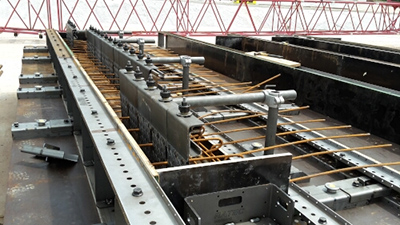
แม่พิมพ์ด้านข้างแบบแม่เหล็กนำเสนอโซลูชันที่ครบวงจรยิ่งขึ้น แม่พิมพ์ประเภทนี้ฝังระบบถ้วยดูดแม่เหล็กไว้ในแม่พิมพ์เหล็กโดยตรง ทำให้เกิดการออกแบบที่เป็นหนึ่งเดียว เนื่องจากระบบถ้วยดูดอยู่ภายในร่องของแม่พิมพ์เหล็ก เศษคอนกรีตหรือสิ่งปนเปื้อนอื่นๆ จะไม่ทำให้ระบบแม่พิมพ์ทั้งหมดเสียหาย
แม่เหล็กยึดส่วนประกอบฝังตัว ฐานรองเป็นอีกหนึ่งการใช้งานที่สำคัญ ในการผลิตชิ้นส่วนคอนกรีตสำเร็จรูป จำเป็นต้องเว้นรูสำหรับสวิตช์และท่อต่างๆ ไว้ และต้องฝังปลอกเชื่อมต่อหรือปลอกยกต่างๆ ไว้ล่วงหน้าด้วย ฐานแม่เหล็กใช้สำหรับยึด ซึ่งจะไม่ทำให้พื้นแท่นเสียหาย ช่วยให้ชิ้นส่วนที่ฝังไว้ไม่เลื่อน และรับประกันการยึดติดที่มั่นคง
นอกจากนี้ยังมีเครื่องมือเฉพาะทางอีกด้วย เช่น แถบลบคมแม่เหล็ก ใช้สำหรับสร้างมุมลบเหลี่ยมที่เรียบร้อยบนขอบของชิ้นส่วนคอนกรีตสำเร็จรูป แถบลบเหลี่ยมแม่เหล็กยางเหล่านี้มีน้ำหนักเบากว่าแถบลบเหลี่ยมเหล็ก และยังมีความยืดหยุ่นในระดับหนึ่ง ทำให้ใช้งานได้ง่ายในกระบวนการผลิตจริง
06. การพิจารณาสองด้าน ได้แก่ ความปลอดภัยและสิ่งแวดล้อม
ความปลอดภัยเป็นสิ่งสำคัญที่สุดเสมอในอุตสาหกรรมการก่อสร้าง ระบบแม่เหล็กนำเสนอการปรับปรุงที่สำคัญในด้านนี้
ระบบยึดแบบหล่อคอนกรีตแบบดั้งเดิมต้องใช้เครื่องมือไฟฟ้าและการเชื่อม ซึ่งก่อให้เกิดความเสี่ยงสูงต่อการบาดเจ็บของคนงาน ระบบแม่เหล็กช่วยลดความเสี่ยงเหล่านี้ได้อย่างมาก โดยไม่ต้องเจาะหรือเชื่อม ลดการใช้เครื่องมือหนัก และขจัดประกายไฟและเศษโลหะที่กระเด็นออกมาขณะใช้งาน
โดยเฉพาะอย่างยิ่งในสายการผลิตที่ต้องมีการปรับแบบหล่อบ่อยครั้ง วิธีการแบบดั้งเดิมอาจต้องใช้เครนเหนือศีรษะในการติดตั้งและถอดประกอบ ในขณะที่ระบบแม่เหล็กช่วยให้สามารถทำงานส่วนใหญ่ได้ด้วยมือ ลดอันตรายด้านความปลอดภัยที่เกี่ยวข้องกับอุปกรณ์ขนาดใหญ่
จากมุมมองด้านสิ่งแวดล้อม ระบบแม่เหล็กก็มีข้อได้เปรียบมากกว่าเช่นกัน ตัวหนีบแบบดั้งเดิมก่อให้เกิดเศษโลหะและควันพิษจำนวนมากในระหว่างการใช้งาน ในขณะที่ระบบแม่เหล็กแทบไม่ก่อให้เกิดมลพิษเลย
นอกจากนี้ ความสามารถในการนำกลับมาใช้ซ้ำได้หลายพันครั้งยังช่วยลดการใช้วัสดุและปริมาณของเสียได้อย่างมาก ลักษณะการนำกลับมาใช้ซ้ำของระบบแม่เหล็กทำให้เป็นเทคโนโลยีการก่อสร้างที่ยั่งยืนกว่า
คำถามที่พบบ่อย
ถาม: แรงดึงดูดของระบบแม่เหล็กสำเร็จรูปนั้นแข็งแกร่งแค่ไหน?
A: ระบบแม่เหล็กสำเร็จรูปให้แรงดึงดูดที่เชื่อถือได้ โดยทั่วไปมีแรงดึงดูดตั้งแต่ 500 กิโลกรัมถึงมากกว่า 1800 กิโลกรัมต่อหน่วย ขึ้นอยู่กับขนาดและการออกแบบ ระบบเหล่านี้ได้รับการออกแบบอย่างพิถีพิถันเพื่อให้ทนต่อแรงดันของคอนกรีตใหม่และรับประกันการจัดแนวแบบหล่อที่แม่นยำ
ถาม: การใช้ระบบแบบหล่อแม่เหล็กใกล้กับแม่พิมพ์เหล็กนั้นปลอดภัยหรือไม่?
A: ใช่! ระบบเหล่านี้ได้รับการออกแบบมาโดยเฉพาะสำหรับแม่พิมพ์เหล็ก แม่เหล็กให้แรงยึดเกาะที่แข็งแรงโดยไม่ทำให้แม่พิมพ์เสียหาย และการออกแบบยังช่วยให้แรงดึงดูดกระจายอย่างสม่ำเสมอ ป้องกันการเสียรูปทรง
ถาม: ฉันสามารถเพิ่มแม่เหล็กเข้าไปในระบบแบบหล่อที่มีอยู่แล้วได้หรือไม่?
A: ได้อย่างแน่นอน ระบบแม่เหล็กหลายระบบสามารถใช้งานร่วมกับแม่พิมพ์ที่มีอยู่แล้วได้ การดัดแปลงมักต้องการเพียงการปรับแต่งเล็กน้อย และสามารถเพิ่มประสิทธิภาพได้อย่างมากโดยไม่ต้องเปลี่ยนอุปกรณ์หลัก
ถาม: แม่เหล็กสำเร็จรูปมีข้อกำหนดในการบำรุงรักษาอย่างไรบ้าง?
A: ระบบแม่เหล็กมีต้นทุนการบำรุงรักษาต่ำ การทำความสะอาดเป็นประจำเพื่อขจัดคราบคอนกรีต และการตรวจสอบการสึกหรอหรือการกัดกร่อนของพื้นผิวเป็นครั้งคราว จะช่วยให้มั่นใจได้ถึงประสิทธิภาพและความปลอดภัยในระยะยาว
ถาม: ระบบแบบหล่อแม่เหล็กเหมาะสำหรับคอนกรีตทุกประเภทหรือไม่?
A: แบบหล่อแม่เหล็กเหมาะสำหรับส่วนผสมคอนกรีตส่วนใหญ่ รวมถึงคอนกรีตกำลังสูง คอนกรีตน้ำหนักเบา และคอนกรีตสำเร็จรูป อย่างไรก็ตาม สำหรับส่วนผสมคอนกรีตที่มีอนุภาคหยาบมากหรือมีปริมาณเส้นใยสูง อาจจำเป็นต้องวางอย่างระมัดระวังเพื่อให้แน่ใจว่ามีการสัมผัสที่สม่ำเสมอและการยึดติดที่มั่นคง
Whatsapp : +86 -13559234186
อีเมล : sale@lscmagnetics.com
โทร : +86 -13559234186