
-

ส่งอีเมลถึงเรา
sale@lscmagnetics.com -

เบอร์ติดต่อ
+86 -13559234186
ส่งอีเมลถึงเรา
sale@lscmagnetics.comเบอร์ติดต่อ
+86 -13559234186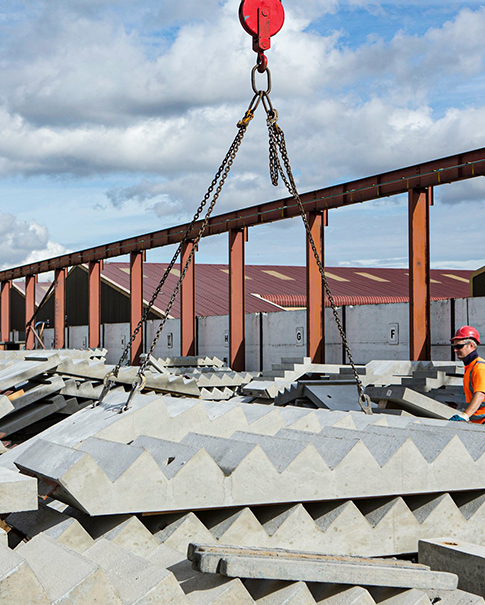

ลักษณะความเสียหายทั่วไปและวิธีการป้องกันของสลักเกลียว
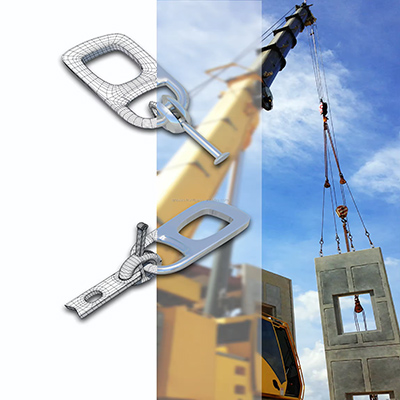
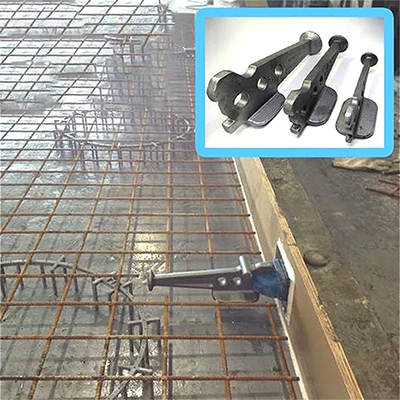
Dec 19, 2025ในการก่อสร้างอาคาร การติดตั้งเครื่องจักร และการเสริมความแข็งแรงโครงสร้างต่างๆ สลักเกลียวเป็นส่วนประกอบเชื่อมต่อที่สำคัญ และคุณภาพการติดตั้งส่งผลโดยตรงต่อความปลอดภัยและความมั่นคงของโครงสร้างทั้งหมด อย่างไรก็ตาม สลักยึด อาจแสดงอาการชำรุดเสียหายได้หลายรูปแบบระหว่างการใช้งาน การทำความเข้าใจอาการชำรุดเสียหายเหล่านี้และการนำมาตรการป้องกันที่มีประสิทธิภาพมาใช้เป็นสิ่งสำคัญอย่างยิ่งต่อการรับรองคุณภาพและความปลอดภัยของโครงการ
I. รูปแบบความล้มเหลวที่พบบ่อย
ความล้มเหลวที่เกี่ยวข้องกับตัวแทนยึดเหนี่ยว
- การแตกหักของวัสดุยึด: ในหินแข็งโดยรอบ หากความแข็งแรงของวัสดุยึดไม่เพียงพอที่จะทนต่อแรงกดดันสูง อาจเกิดการแตกหัก ส่งผลให้สลักยึดล้มเหลว
- แรงยึดเกาะไม่เพียงพอ: การทำความสะอาดรูไม่ทั่วถึงหรือการผสมสารยึดเกาะไม่สม่ำเสมออาจทำให้แรงยึดเกาะระหว่างสารยึดเกาะกับคอนกรีตหรือพื้นผิวไม่เพียงพอ ส่งผลให้ความสามารถในการรับน้ำหนักของสลักเกลียวลดลง
ปัญหาความแข็งแรงภายในของสลักเกลียว
- ความแข็งแรงของสลักยึดไม่เพียงพอ: ความแข็งแรงของวัสดุสลักยึดไม่เพียงพอหรือการเลือกวัสดุที่ไม่ถูกต้อง อาจทำให้สลักยึดไม่สามารถรับน้ำหนักตามที่ออกแบบไว้ได้ ซึ่งอาจนำไปสู่การแตกหักเนื่องจากแรงดึงหรือแรงเฉือน
- ความเสียหายจากความล้า: ภายใต้แรงกระทำแบบไดนามิก รอยแตกร้าวจากความล้าอาจเกิดขึ้นในสลักเกลียวหรือการยึดติดระหว่างสลักเกลียวกับคอนกรีต ซึ่งนำไปสู่ความเสียหายก่อนกำหนด
ปัญหาในกระบวนการติดตั้ง
- มุมและระดับความลึกในการติดตั้งที่ไม่เหมาะสม: การเบี่ยงเบนมากเกินไปในมุมการติดตั้งสลักยึดหรือความลึกที่ไม่เพียงพออาจส่งผลต่อการยึดเกาะระหว่างสลักยึดกับพื้นผิว ทำให้แรงยึดลดลง
- น็อตหลวมหรือแผ่นยึดแขวนไม่แน่น: น็อตหลวมหรือการสัมผัสที่ไม่เพียงพอระหว่างแผ่นยึดกับพื้นผิวระหว่างการติดตั้ง อาจทำให้สลักเกลียวยึดหลวมภายใต้แรงกดได้
ปัจจัยด้านสิ่งแวดล้อม
- การกัดกร่อน: ในสภาพแวดล้อมที่ชื้น มีฤทธิ์กัดกร่อนทางเคมี หรือในสภาพแวดล้อมทางทะเล วัสดุที่ใช้ทำสมอเรืออาจเกิดการกัดกร่อน ทำให้ความแข็งแรงลดลง
- ผลกระทบจากอุณหภูมิ: การใช้สารเคมีในการยึดติดที่อุณหภูมิต่ำอาจส่งผลต่อประสิทธิภาพการแข็งตัวของสารยึดติดได้
เพื่อให้มั่นใจในความปลอดภัยและความน่าเชื่อถือของสลักยึด ต้องพิจารณาสามประเด็นหลักดังนี้:
การออกแบบและการคัดเลือกอย่างพิถีพิถัน
การคำนวณน้ำหนักบรรทุกที่แม่นยำ: พิจารณาน้ำหนักบรรทุกคงที่ น้ำหนักบรรทุกขณะเคลื่อนไหว และน้ำหนักบรรทุกที่เกิดขึ้นโดยไม่คาดคิดอย่างครบถ้วน
การตรวจสอบพื้นผิวอย่างเข้มงวด: ประเมินความแข็งแรงของคอนกรีต รอยแตก และระยะห่างจากขอบ
การเลือกผลิตภัณฑ์อย่างมีหลักวิทยาศาสตร์: เลือกสลักเกลียวที่ได้รับการรับรองและเหมาะสมตามสถานการณ์การใช้งาน (เช่น คอนกรีตแตกร้าว สภาพแวดล้อมชื้น)
การดำเนินงานก่อสร้างที่เป็นมาตรฐาน
การเจาะที่แม่นยำ: ใช้เครื่องมือเจาะที่เหมาะสมเพื่อให้แน่ใจว่าความลึกและเส้นผ่านศูนย์กลางของรูตรงตามข้อกำหนดในการออกแบบ
การทำความสะอาดรูอย่างละเอียด: ใช้ปั๊มลมและแปรงชนิดพิเศษเพื่อกำจัดฝุ่นและเศษสิ่งสกปรกออกจากรูอย่างทั่วถึง
การติดตั้งที่ถูกต้อง: ปฏิบัติตามคำแนะนำของผลิตภัณฑ์อย่างเคร่งครัดสำหรับการติดกาวหรือขันให้แน่น โดยใช้ประแจวัดแรงบิดที่ได้มาตรฐาน และตรวจสอบให้แน่ใจว่าได้ปล่อยให้กาวแห้งสนิท/บำรุงรักษาในระยะเวลาที่เพียงพอ
ปฏิบัติตามขั้นตอนการตรวจสอบอย่างเคร่งครัด
ดำเนินการทดสอบการดึงออก ณ สถานที่จริงตามความจำเป็น เพื่อตรวจสอบประสิทธิภาพการยึดตรึง
รักษาบันทึกการติดตั้งจุดยึดในพื้นที่สำคัญให้ถูกต้องแม่นยำ เพื่อให้สามารถตรวจสอบย้อนกลับคุณภาพได้
ความเสียหายของสลักยึดอาจก่อให้เกิดอันตรายร้ายแรงต่อความปลอดภัย ดังนั้นจึงต้องให้ความสำคัญเป็นอย่างยิ่งในระหว่างการติดตั้งและการใช้งาน การทำความเข้าใจรูปแบบความเสียหายและการใช้มาตรการป้องกันที่มีประสิทธิภาพจะช่วยเพิ่มความน่าเชื่อถือของสลักยึดได้อย่างมาก ทำให้มั่นใจได้ถึงความปลอดภัยและความมั่นคงของโครงสร้าง
Whatsapp : +86 -13559234186
อีเมล : sale@lscmagnetics.com
โทร : +86 -13559234186